Google’s announcements this May make a question about search visibility much more concrete. A customer may compare products, receive advice and prepare a purchase before reaching the merchant’s website. The brand still needs to help that person choose well. It has less control over where the explanation happens.
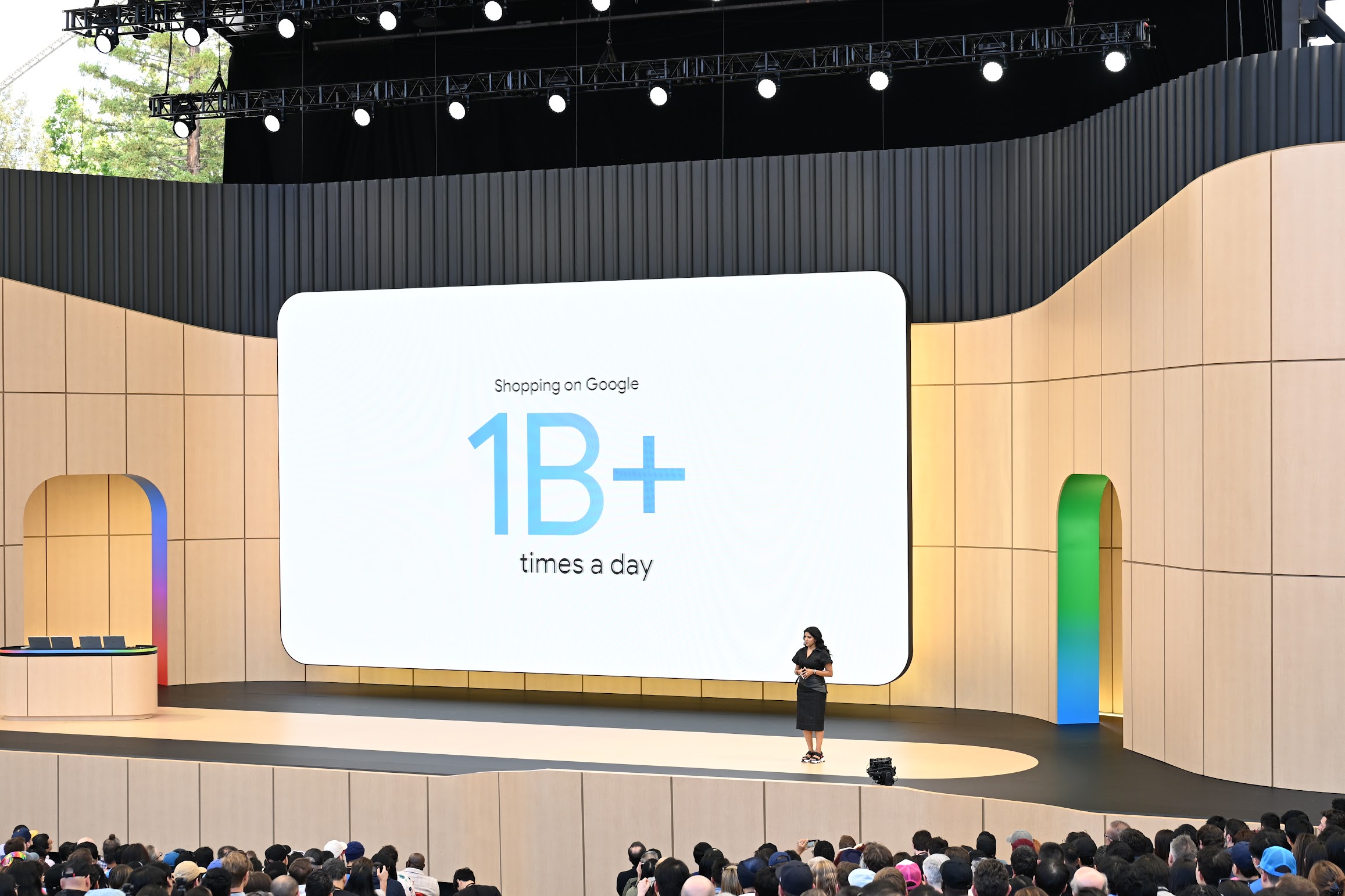
On 19 May, Google introduced Universal Cart, intended to work across merchants and Google services, with examples that include checking whether computer parts are compatible and finding relevant payment benefits. The announced rollout for Search and Gemini is in the US this summer; YouTube and Gmail are to follow. Availability is still developing. Google’s Universal Cart announcement
The following day, Google Marketing Live brought tests of conversational advertising and paid recommendations inside AI Mode. Taken together, the announcements suggest a buyer’s research and a seller’s offer will meet in more places outside the seller’s own pages. Google’s new search-ad formats
I would start with the questions a customer needs answered before buying. A campaign to get the company’s name into more AI responses can wait until those answers are dependable.
The visit may come later
There is already evidence that a useful search appearance need not produce a website visit. Pew Research Center studied browsing by 900 US adults in March 2025. Visits with an AI summary led to a traditional-result click 8% of the time, compared with 15% without a summary. Links within summaries received clicks on 1% of visits. Pew collected the corresponding results in April, introducing a timing limitation. This was an observational study of Google use, not a controlled test of what summaries caused. Pew’s analysis and method
Those figures describe that sample and period. They cannot tell a British retailer how much traffic it will lose this summer. They do challenge the habit of treating every unanswered click as a failed piece of marketing. Someone may have found the information they needed; someone else may have been put off by an inaccurate answer. The same traffic chart can conceal both.
Consider a hypothetical customer buying refillable cleaning products. She wants to know whether a refill fits the bottle she already owns, whether it is suitable for a particular surface and when it will arrive. A broad promise about a cleaner planet will settle none of those questions. If a third-party answer gives her the correct compatibility information, it has done useful work even if she buys later elsewhere.
An incorrect description could do considerably more harm than an omitted mention. Being included is a poor success measure when the inclusion sends someone towards the wrong product.
Give the answer something worth saying
The immediate work is familiar, although it deserves fresh attention. Product names should match across the pack, retailer listing and owned site. Delivery restrictions and compatibility need a clear home. Claims about performance require evidence that a reader can inspect. Where the offer changes, the information needs an owner who will maintain it.
For a service business, the equivalent is a precise account of the work. A prospective client comparing suppliers needs enough detail to establish whether the firm handles the problem they have, understand what a project involves and identify where its responsibility ends, without having to book a sales call to obtain the basics. A page promising expertise in everything can leave them almost none the wiser.
This is also where a brand can become more distinctive. Specificity reveals the choices behind an offer. The refill business might concentrate on a small set of surfaces and make that limitation useful, explaining clearly which products belong where. A service firm might show how it reaches a decision when the evidence is incomplete. Both give a person something more substantial to remember than a claim to be innovative.
A recognisable name and a coherent idea still matter. Information that is easily retrieved can help a buyer assess fit; it does not automatically create preference. If all the available alternatives meet the functional requirement, the buyer still has to choose among them. The associations built through previous encounters, the quality of the offer and the confidence created by the evidence remain part of that decision.
An ad needs a separate measure
Google’s 20 May announcement includes Highlighted Answers, where eligible ads can appear within an AI Mode recommendation list. These are paid placements being tested. The same article describes other formats arriving in the coming months and an expanded Direct Offers pilot. Keep those distinctions clear when briefing a team or discussing access with an agency. Google Marketing Live’s search announcement
The commercial question is whether that placement brings a useful customer opportunity at an acceptable cost. It does not establish that the system independently preferred the brand. Combining paid and unpaid mentions in one visibility total would make it harder to understand what the investment achieved.
This also changes the demands on an advertisement. If the placement appears while somebody is working through a particular need, a vague claim may interrupt the task. A relevant product detail or a clearly explained offer has a reason to be there. The landing experience must then honour what was said, including any conditions that affect the purchase.
Keep a reason to visit
It would be premature to redesign a whole website around an interface that is still rolling out. A small review can start now. Take a handful of realistic buying situations and inspect the answers a person receives, checking the description against the actual offer and following the links through to the decision they are supposed to support. Record the market and date. The results describe those sampled experiences; they cannot establish a share of the market.
The owned website should reward the next visit with depth: the full specification, a clear comparison, an explanation of a difficult trade-off, or a convincing demonstration. Copy written only to repeat what an answer has already said gives the reader little reason to stay.
May’s announcements make this preparation timely. They give brands a practical opportunity to examine how their products are described before the new buying experiences reach more customers. For the refill buyer, that means finding the right refill, understanding why it fits and receiving what she expected when the parcel arrives.
Andy Parton writes about how AI changes the work of building brands, the quality of ideas and the evidence behind marketing decisions. More from Andy.