This week
OpenAI opened a self-serve desk for ChatGPT Ads in the US on Tuesday and, two days later, said the ads themselves are coming to the UK, Japan, South Korea, Brazil and Mexico in the coming weeks. Brussels agreed to push the AI Act's high-risk rules back by well over a year, while the labelling duties for AI-generated content stay on their 2026 dates. And Apple proposed a $250m settlement of a lawsuit over iPhone ads that sold a Siri it had not yet built. Welcome to your weekly cut of Marketing x AI news.
Key stories
OpenAI opens a self-serve ads desk in the US and names five more markets for ChatGPT Ads, the UK among them
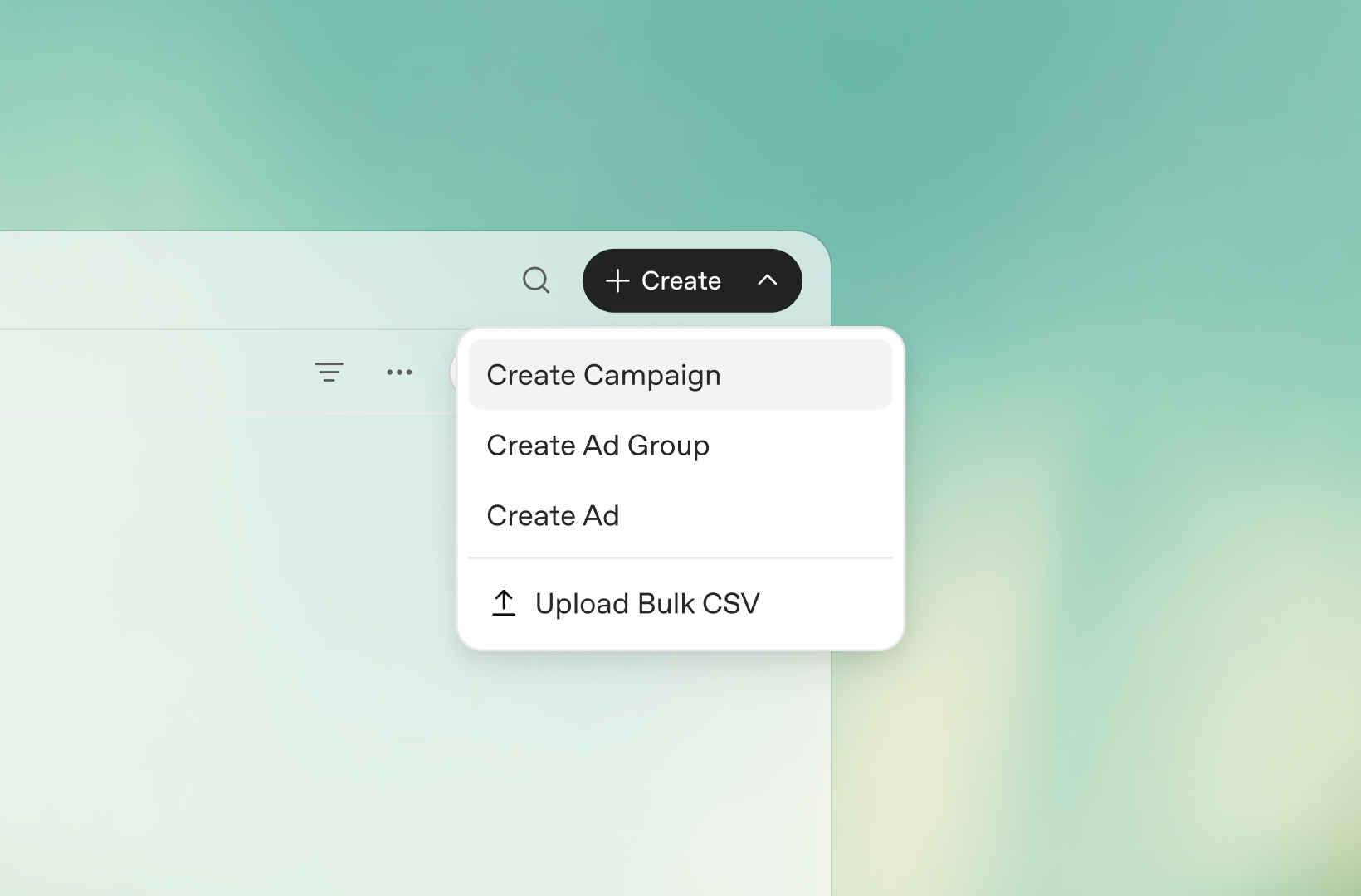
What's the story On Tuesday OpenAI began rolling out a beta of its Ads Manager, a self-serve tool for buying ads in ChatGPT, to US advertisers. Before this change, buying had been priced on impressions and required a $50,000 minimum. The new desk sells on cost-per-click with no minimum, which opens it to the businesses that were never going to get a call from an agency. Dentsu, Omnicom, Publicis and WPP are named as partners, alongside Adobe, Criteo, Kargo, Pacvue and StackAdapt on the ad-tech side.
On Thursday OpenAI updated its ads post to say the pilot will expand to the UK, Japan, South Korea, Brazil and Mexico "in the coming weeks", after Canada, Australia and New Zealand, which it named in March. The ads show only on the Free and Go plans, are labelled as sponsored, and are targeted on the topic of the conversation, past chats and past interactions with ads; OpenAI says advertisers get aggregated views and clicks with no access to the chats, and that ads do not influence the answers. Its head of global ads solutions, David Dugan, told Adweek the expansion follows "strong interest from businesses looking to reach users in a more conversational, intent-driven environment".
Why it matters There is a number on it already. Reuters reported in March that the US pilot had passed $100m in annualised revenue within six weeks of launch, on OpenAI's own account, and Axios reports a goal of $2.5bn in ad revenue this year. The buy is priced per click with no minimum spend and it is self-serve, so the line it will sit against in every media plan is paid search. OpenAI says the ads reach the five new markets in the coming weeks; the Ads Manager beta is for US advertisers, and it has given no date for a desk anywhere else.
Our take Register interest now, and decide before the desk opens in your market what you will measure the test against. An early test can give you a benchmark for your own audience before you commit more money. Give it to your search team and run it as a small, proper test, with the same conversion goals and attribution window as your paid search and a budget you can afford to learn from. The reaction matters as much as the click-through rate, so read the replies and the comments. In the five new markets ChatGPT has been ad-free since it launched, and nobody can yet tell you how people will feel about a sponsored answer.
Brussels agrees to delay high-risk AI rules while deepfake disclosure keeps its August date
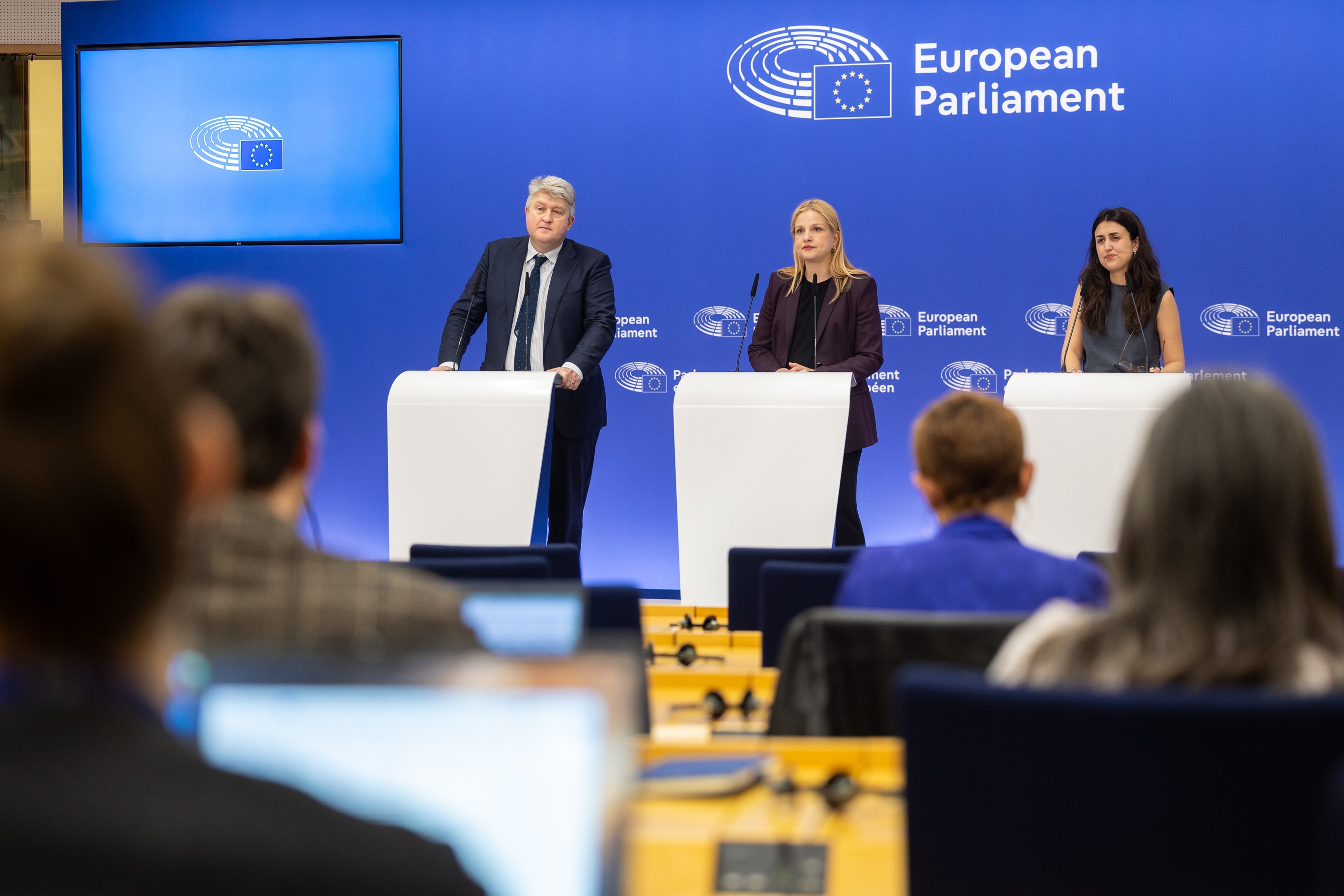
What's the story On Thursday the Council and the Parliament reached a provisional agreement on the Commission's plan to simplify the AI Act. The high-risk rules that were due on 2 August this year would apply from 2 December 2027 for stand-alone systems and 2 August 2028 for AI embedded in products. The transparency rules keep their August date. The one change there is the grace period for providers to add marking to AI-generated content, cut "from 6 months to 3 months, with the new deadline set on 2 December 2026". The negotiators also added a new prohibition on AI that generates non-consensual sexual or intimate content, and the exemptions written for SMEs now extend to small mid-caps. The text still needs formal endorsement by both institutions, expected in the coming weeks.
Why it matters Most of what marketers were bracing for in August is not high-risk AI, and the part that touches marketing directly has not moved. The Act’s transparency article requires deployers to disclose qualifying deepfakes: generated or manipulated images, audio or video that resemble existing people, objects, places, entities or events and would falsely appear authentic. This is not a visible-label duty for every AI-assisted asset. Evidently artistic or fictional work allows disclosure that does not hamper its display or enjoyment. Providers have separate duties around direct AI interaction and machine-readable marking. The deepfake-disclosure date remains 2 August 2026; the proposed marking grace period does not move that deadline.
Our take The headlines about delay are about somebody else's compliance programme. If you put synthetic people, voices or scenes in front of European audiences, the disclosure is a creative decision: where the label sits and how it reads are settled when the idea is, and the machine-readable mark is something your tools should write into the file for you. Plan qualifying deepfake disclosure for 2 August, and check the separate marking timetable with the provider. The two duties should not be collapsed into one deadline.
Apple proposes a $250m settlement over iPhone ads that promised an AI Siri it had not shipped
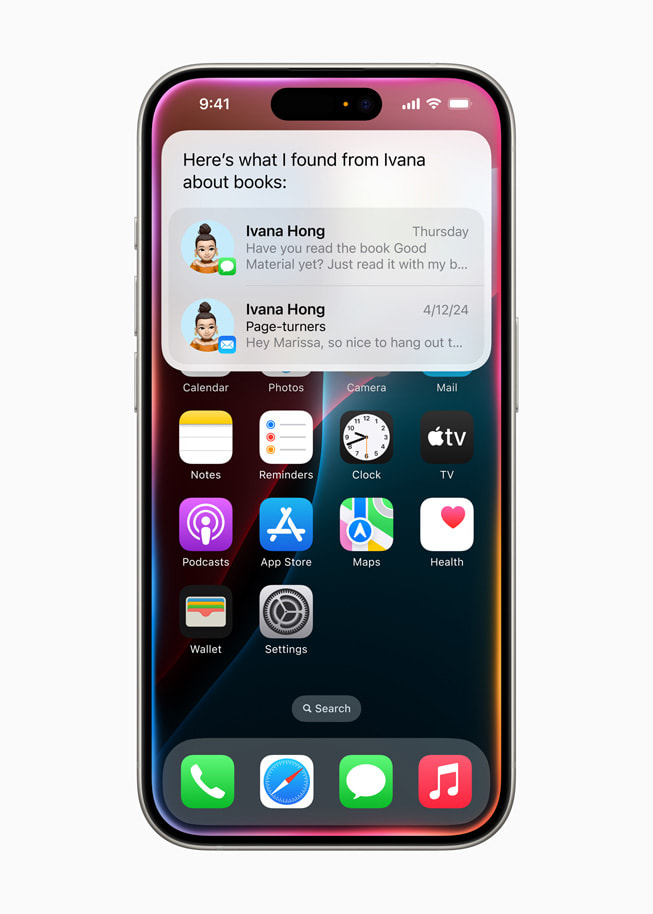
What's the story Apple has agreed to pay $250m to settle a US class action, Landsheft v. Apple, over the way it advertised Apple Intelligence; the Financial Times first reported the proposed settlement this week. The complaint said Apple "exaggerated the breadth of features Apple Intelligence would bring" and "created the impression that advanced AI capabilities would be available to users sooner than they actually were", the smarter Siri above all. If approved, the settlement would cover eligible US purchases of the iPhone 15 Pro or Pro Max and the iPhone 16 family between 10 June 2024 and 29 March 2025, with payments of up to $95 a device. The 5 May court filing seeks preliminary approval; claims are not yet open. Apple admits no wrongdoing; the Siri it advertised, one that works more like a modern chatbot, is now expected to be previewed at its developer conference in June, two years after it was first announced.
Why it matters The whole category shares the habit Apple has agreed to pay $250m for, advertising AI features that are still on the roadmap. Every legal team will have noticed the figure, and a feature that does not exist yet is the simplest claim in the world to challenge under rules that already exist. In the UK the CAP Code has always required that marketing communications not mislead by exaggerating what a product can do, and that objective claims be substantiated before they run.
Our take Treat an AI claim the way you would a performance claim: it has to be demonstrable and dated before it runs, and if the feature is still on the roadmap, the ad has to say so where people will read it. A premium brand ran its flagship iPhone ads for the best part of a year describing something its customers could not find on the phone in their hand, and "up to $95 back" is now the headline. Give sign-off on AI messaging this year to someone who can demonstrate the feature themselves.
Other notable developments
- Google puts more links inside AI Mode and AI Overviews. Announced on Wednesday: links now sit next to the sentence they support, hover previews show where a link goes, links from a reader's news subscriptions are highlighted, community perspectives from forums and social posts appear with the creator's name, and answers end with suggestions for further reading. Google's own testing found people "significantly more likely to click links that were labeled as their subscriptions".
- ChatGPT's default model is now GPT-5.5 Instant. OpenAI began rolling it out to all ChatGPT users on Tuesday in place of GPT-5.3 Instant, with answers it describes as tighter and more accurate (52.5% fewer hallucinated claims than its predecessor on high-stakes prompts, on OpenAI's own test), and deeper personalisation from past chats, files and connected Gmail arriving for Plus and Pro users first. As the rollout reaches users, more default answers about your category will come from this model.
- Google previews journey-aware bidding and demand-led pacing. Josh Braverman's post on Thursday: journey-aware bidding is in beta for Search campaigns on target CPA, learning from conversion goals they are not bidding to. Smart Bidding Exploration is also in beta for Performance Max, with product-feed campaigns and Shopping due to enter beta in a few weeks. Google reports 27% more unique converting users in its Search tests. Demand-led pacing, due in the coming months, will shift spend to peak days within a monthly budget. Google Marketing Live itself is later this month.
- Anthropic takes the whole of Colossus 1 to keep up with demand. Dario Amodei told developers this week that the company had planned for ten-fold annual growth and seen revenue and usage grow at an eighty-fold annualised rate in the first quarter, which he said explains its "difficulties with compute"; the fix is an agreement with SpaceX for all the capacity at xAI's Colossus 1 data centre in Memphis, more than 300 megawatts and over 220,000 Nvidia GPUs, within the month, with Claude Code's five-hour rate limits doubled on paid plans.
- Allianz Australia launches a fully generative AI campaign. The car-insurance work by Howatson+Company, reported by Mumbrella, uses generative AI for short-form video, outdoor and social executions. It is a useful production test to examine: whether the brand remains recognisable when AI supplies the scenes, rather than simply whether those scenes look plausible.
New tool spotlight
Klaviyo in Claude, through the Model Context Protocol
Klaviyo expanded its Anthropic integration on Thursday: its MCP server (the Model Context Protocol, the open standard that lets an assistant plug into other software) now lets Claude, in the Claude app and in Cowork, query your customer profiles and campaign data, summarise performance, identify segments, audit flows and draft re-engagement campaigns and briefs, without exporting anything between tools. Klaviyo's co-founder Andrew Bialecki describes the aim as turning Claude into "an agentic surface for Klaviyo — one that not only understands performance data, but also in minutes drafts the briefs, audits, and campaign assets that used to take hours". Klaviyo is this week's example, and the same protocol is arriving across the rest of the stack. Start with the flow audit. Most accounts have flows nobody has opened since they were built, and a machine that reads all of them finds those first.
One thing to read
Thomas Barta, "Marketers need to prepare themselves for the end of the click"
Thomas Barta's column in Marketing Week puts the search problem in two sentences: "Search marketing worked because of an implicit agreement: Google passes people on. That agreement has now been cancelled." He cites Gartner's forecast, made two years ago, that traditional search volume could fall 25% by this year, and Seer Interactive's September 2025 study, which found organic click-through down 49% year on year and paid down 54% in its sample of searches showing an AI Overview even when the brand was cited in the answer, and he argues that a growth model that still depends on paying for search will soon be out of luck. His answer is the old one: "In a world where you can't reliably pay platforms to send customers your way, a strong brand will remain the best insurance policy." Read it next to Google's links announcement above, which is the platform's answer to the same complaint.
One final thought
Another busy week in marketing x AI. If you found any of these stories particularly interesting, or you think I missed anything substantial, I'd love to hear from you.
Andy Parton writes about how AI changes the work of building brands, the quality of ideas and the evidence behind marketing decisions. More from Andy.