This week
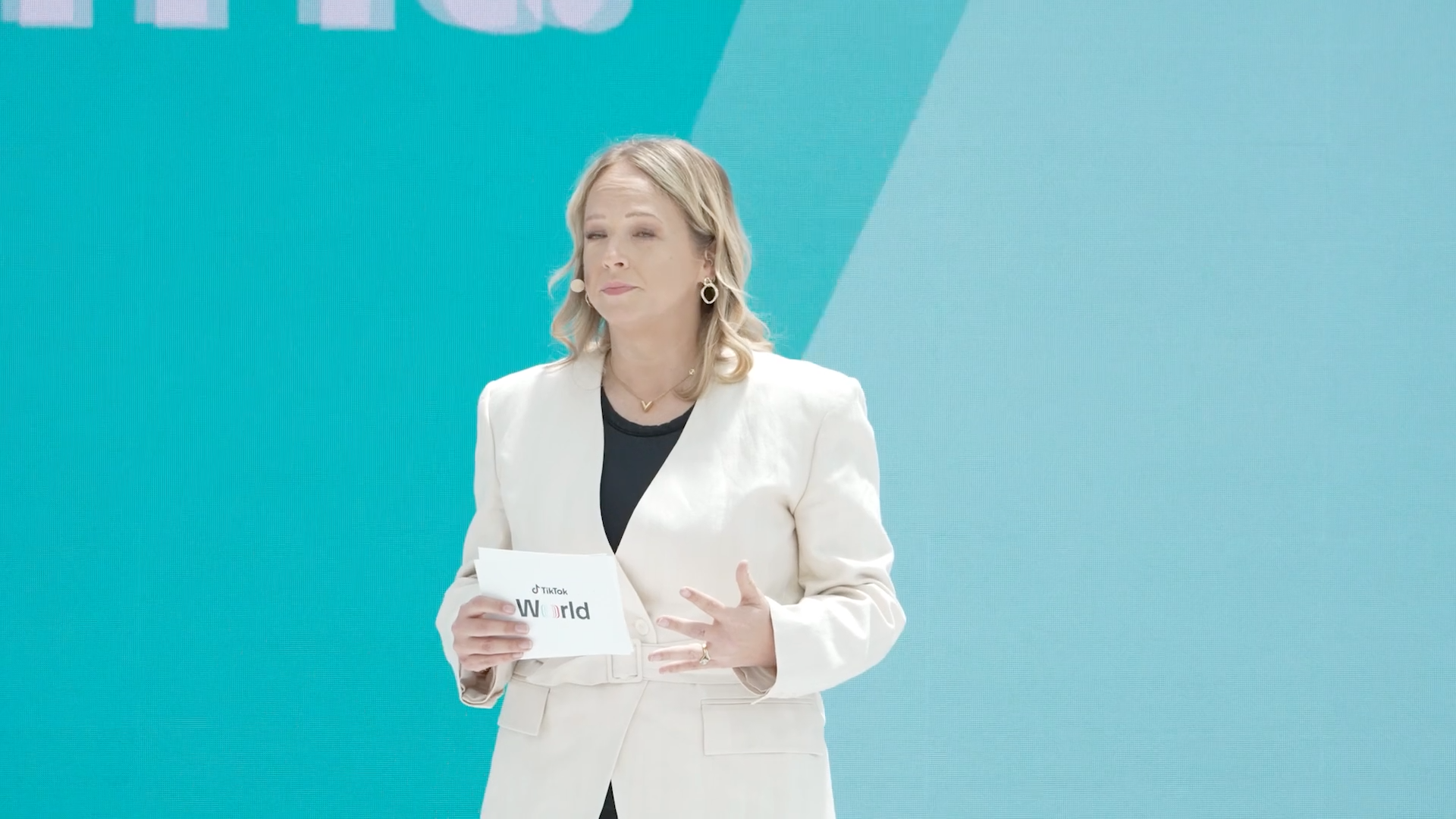
TikTok used its TikTok World event on Wednesday to announce an interface for AI agents on its ads platform, two weeks after Meta's open beta, and put ByteDance's newest video model inside its creative tools. Amazon is folding Rufus into Alexa and putting a shopping agent in its search bar. And Gartner's annual survey of CMOs put a number on the AI budget, 15.3%, and found only 30% of them with the readiness to scale it. Welcome to your weekly cut of Marketing x AI news.
Key stories
TikTok announces an interface for AI agents on its ads platform and puts a frontier video model inside Symphony
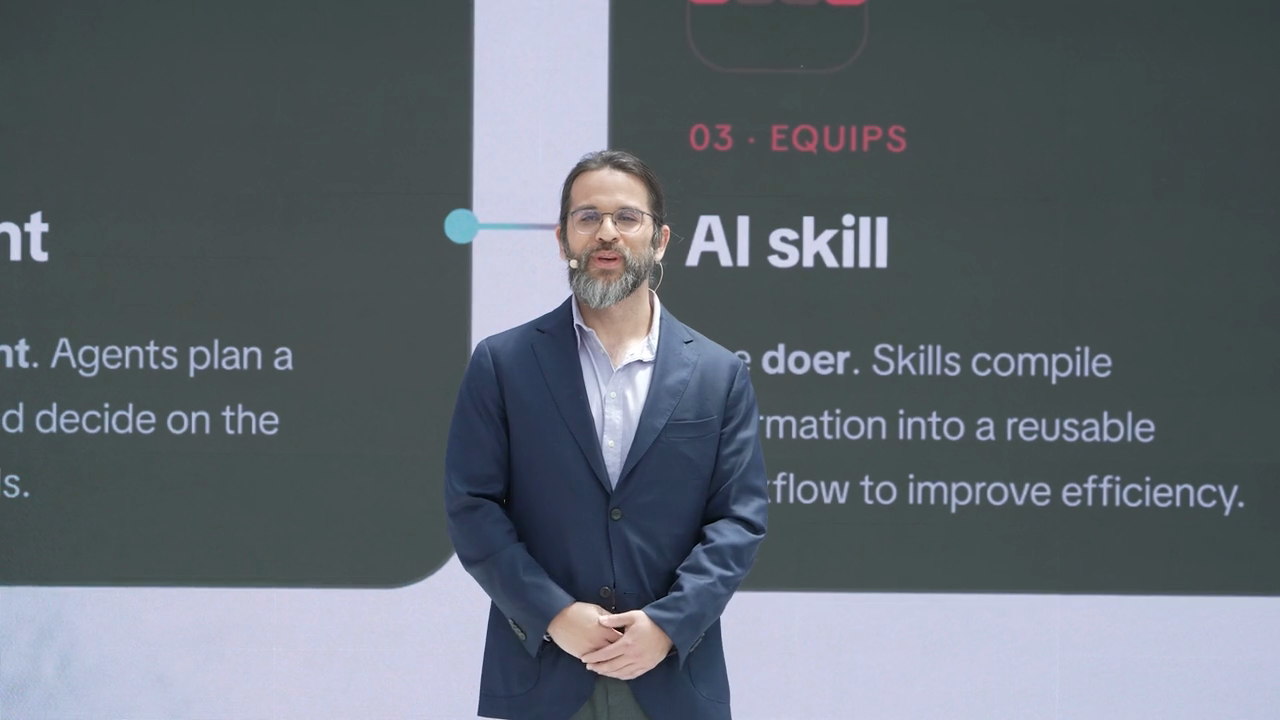
What's the story At TikTok World on Wednesday the platform announced a TikTok Ads Model Context Protocol server, a new interface that, in TikTok's words, "allows developers and advertisers to build AI agents and tools" on its ads platform "to help execute advertising campaign development and management without the need for manual intervention", with a developer sign-up for TikTok Ads Skills, for workflows "such as campaign creation, performance insights, creative analysis, audience discovery, and budget optimization". Jose Villalobos, its global head of product marketing for platform and core ads, told Digiday the point is to let marketers "connect their own AI agents directly" to the ads platform "so their AI systems can plan, launch and optimize campaigns". Meta opened its ads system to Claude and ChatGPT on 29 April as an open beta, as PPC Land reported.
The same announcement put ByteDance's Dreamina Seedance 2.0 video model inside Symphony, TikTok's creative AI suite, with a Reference to Video feature that "allows advertisers to prompt the exact images and products they want at specific moments of their video", added a Creator AI Search to TikTok One, and launched TikTok GO, a travel discovery and booking experience inside the app, with GO Ads to go with it. The new formats are TopReach, Branded Buzz, Search Hubs and an expanded Smart+.
Why it matters Two of the biggest social ad platforms have now announced ways to connect a marketer's own assistant. TikTok's list of workflows is the job description of a media planner's first year, and the model that makes the creative sits in the same suite. The announcement does not specify supported agents or a general access date for the server, and gives no performance figures for it. The booking feature is part of the same move. TikTok Shop already closes a purchase inside the app for goods; TikTok GO, in the company's words, is "a one-stop travel discovery and booking experience built directly into TikTok".
Our take Before anyone connects an agent to your ad account, decide who owns its permissions and what it is allowed to spend, because the platform's own list starts with "campaign creation" and ends with "budget optimization". The rule that follows is read-only first: performance insight and creative analysis on last quarter's campaigns, checked against the reports you already trust, before an agent is allowed to launch anything. The generative video is the bigger change for the creative department, since a frontier model inside a platform's creative tool makes a TikTok ad easier to make and easier to make badly. Seedance needs the treatment a production company gets, a brief and a standard to sign off against; TikTok's own description of the new feature is that it "allows advertisers to prompt the exact images and products they want at specific moments of their video".
Amazon folds Rufus into Alexa and puts a shopping agent in its search bar
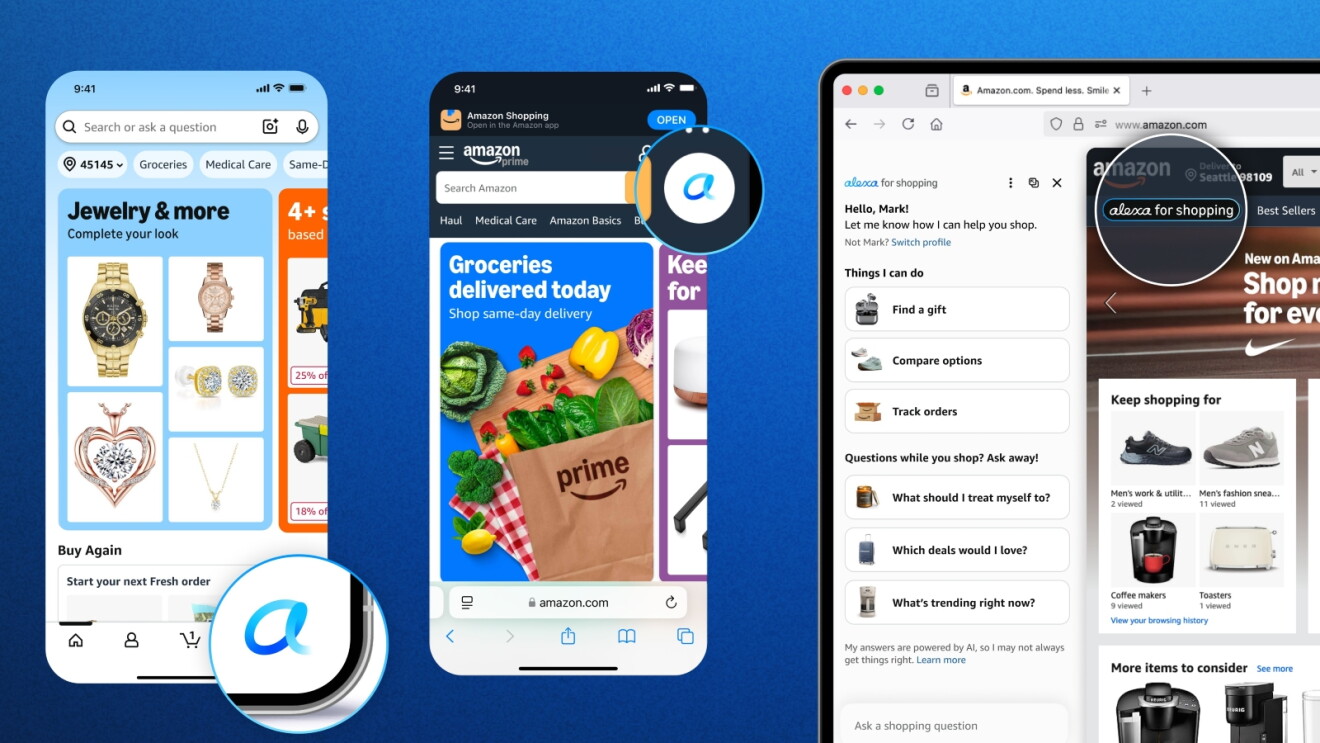
What's the story On Wednesday Amazon folded Rufus into Alexa+ and launched Alexa for Shopping in the search bar and a chat window of its app and website, rolling out to all US customers over the coming week with "no Echo device, Alexa app, or Prime membership required". Amazon says it will "find the best products, compare categories and items, provide personalized recommendations and guidance, track prices, buy items at your target price, reorder essentials, manage your cart, and shop from other online stores across the web"; TechCrunch's examples include "add this sunscreen to my cart if the price drops to $10" and Amazon's Buy for Me feature, which shops beyond Amazon. Rajiv Mehta, Amazon's vice president of conversational shopping, calls it "like having an expert personal shopper who already knows you". Rufus, launched in 2024, "helped over 300 million customers in 2025", and on Amazon's first-quarter call on 29 April Andy Jassy said its monthly active users were up more than 115% and engagement up nearly 400% year on year; GeekWire notes that ChatGPT, Gemini and Perplexity have all launched shopping features in recent months, with Google enabling in-chat checkout from retailers including Walmart and Wayfair.
Why it matters Amazon's search bar is now an agent, and an agent does not scroll a results grid. It reads product data, reviews and prices and recommends, which changes what a sponsored placement can do and what a product page is for. The 13 May announcement does not mention advertising. Rufus already carried Sponsored Products and Brand Prompts, and Amazon's first-quarter results on 29 April said that "nearly 20% of shoppers who interact with a prompt in Rufus continue the conversation about that brand"; how those placements carry over to Alexa for Shopping is the question Amazon has not answered. Buy for Me runs the other direction: Amazon's agent shops other stores on its customer's behalf, and the announcement limits it to "eligible products" without saying which stores.
Our take If you sell on Amazon, the product page is now the brief you hand the agent: it parses attributes, compares prices and reads your reviews as answers to the questions a shopper would have asked you, and it does the same for the product next to yours. If you sell anywhere else, the test is to ask ChatGPT, or Alexa for Shopping in the US, for a product you sell. What it says, and where it sends people, is the first line of the plan.
Gartner finds CMOs putting 15.3% of the marketing budget on AI, and only 30% of them ready to scale it
What's the story Gartner's 2026 CMO Spend Survey, published on Monday, finds CMOs allocating an average of 15.3% of their marketing budgets to AI while only 30% report mature or fully developed AI readiness. Marketing budgets are flat, at 7.8% of company revenue against 7.7% last year; 70% of CMOs say becoming an AI leader is critical for 2026 and the same share admit their processes lack the maturity to implement it; 56% say they lack the budget for their 2026 strategy. The AI-ready organisations allocate 21.3% of budgets to AI and run budgets of 8.9% of revenue. The survey ran from January to March among 401 CMOs and marketing leaders in North America, the UK and Europe, most at companies with more than $1bn in revenue. A second Gartner survey, published the same day, has marketing leaders expecting AI to automate 36% of marketing work by 2028, from 16% this year, with 80% citing staff fear and anxiety as a barrier to experimentation.
Why it matters The two figures belong together at the next budget review: the share of the budget going to AI, and the share of CMOs whose organisations are ready to scale it. Ewan McIntyre, Gartner's chief of research for marketing, puts it as a risk: "The risk is that CMOs invest in AI tools faster than they build the data foundations, processes, governance and talent required to scale them." Jay Wilson, also at Gartner, calls it a trap: "Most CMOs are currently stalled in at least one AI competency trap, where their early AI success limits their future progress."
Our take The number to take into your next budget conversation is the gap, not the share. Spend at that level by an organisation that cannot scale it is a licence bill; the AI-ready minority spend more and, by Gartner's account, have the budget agility and the discipline to show for it. Wilson's competency trap is worth looking for in your own team, and it usually looks like the automation nobody is allowed to touch because it worked first. McIntyre's four things are the review: data foundations, processes, governance and talent.
Other notable developments
- ChatGPT tests ads generated from a product feed. Search Engine Land reported product-feed campaigns on Tuesday: a retailer uploads a catalogue, sets rules for which products are eligible, and ChatGPT builds the ads from the names, images and attributes, shown below responses and labelled as sponsored; Marketing Tech News reports the pilot running in the US, Australia, New Zealand and Canada on the Free and Go plans, through the ad-tech partners or the US Ads Manager beta, with a 100-product sample required before a catalogue of up to a million SKUs. Access remains within the pilot; the reporting gives no public launch date.
- OpenAI launches a consultancy of its own, with $4bn behind it. The OpenAI Deployment Company, announced on Monday, embeds forward-deployed engineers in client organisations to find the AI opportunities, redesign the workflows and build the production systems. It launches with more than $4bn of initial investment from a group led by TPG with Advent, Bain Capital and Brookfield, with Bain & Company, Capgemini and McKinsey among the investors, and gains about 150 engineers and deployment specialists through OpenAI's agreed acquisition of Tomoro.
- Meta AI gets a private mode, and WARC forecasts $240bn of Meta ad revenue this year. Incognito Chat on WhatsApp and the Meta AI app, announced on Wednesday and rolling out over the coming months, processes messages "in a secure environment that even Meta cannot access" and does not save them; a Side Chat feature will give "private help with any WhatsApp chat" without disrupting it. The same week WARC's Platform Insights report, as Advanced Television reported it, forecast Meta's ad revenue at $240bn in 2026, up 22.3%, with WARC's Alex Brownsell crediting Meta's "AI-driven automation" for "transforming how brands connect with audiences".
- Google is the world's most valuable brand for the first time since 2018, and Claude enters the top 100 at 27. Kantar BrandZ 2026, published on Thursday, values Google at $1.48tn, up 57%, ahead of Apple, Microsoft and Amazon, with the top 100 worth $13.1tn, up 22%; ChatGPT posted the list's highest rise at 285%, and Claude debuted at number 27. Martin Guerrieria, head of Kantar BrandZ, told MediaPost the brands outperforming the market "are using AI to bring judgment back into the system, identifying which signals to trust".
- Anthropic packages Claude for small businesses, with Canva inside it. Claude for Small Business, launched on Wednesday, bundles 15 agentic workflows, 15 skills and connectors to QuickBooks, PayPal, HubSpot, Canva, Docusign, Google Workspace and Microsoft 365; with the Canva connection, in Anthropic's words, "Canva generates content for every channel, with the ability to collaborate and edit with your team, publish assets, and track performance", which Canva's Anwar Haneef describes as going "from idea to published, on-brand design in one flow".
New tool spotlight
Google Analytics now reports AI assistants as a traffic channel
Google Analytics added an AI Assistant channel this week: when a session's referrer matches an AI assistant Google recognises (it names ChatGPT, Gemini and Claude), Analytics now sets the medium to ai-assistant, the default channel group to AI Assistant and the campaign to (ai-assistant), and Google says the change "helps you monitor how generative AI impacts your business by tracking user clicks, trending AI sources, and how this traffic compares to traditional channels like organic search". Until now that traffic sat in Referral or Direct, depending on how each assistant passed its referrer. Open the Traffic acquisition report, filter the channel to AI Assistant, and compare engagement and conversion with organic search for the dates available in the channel. Track the week-on-week change from this week; the level itself undercounts by construction, because an assistant that opens a link without a referrer still lands in Direct.
One thing to read
Frederick Vallaeys, "I helped build Google's keyword system. Here's why it's becoming obsolete"
Vallaeys joined Google in 2002, was its first AdWords evangelist for a decade and now runs Optmyzr; his piece in Search Engine Journal on Monday reads the end of the keyword from the inside. Optmyzr's 2026 Match Type Study, across nearly 130,000 non-branded campaigns, finds exact match's share of non-branded spend down from 37.1% in 2022 to 27.6%, while phrase match drives 40% of non-branded conversions at a 15.7% rate. Google's AI Max, he argues, has changed what a keyword is: "Give Google your URL, your assets, and your business data, and the system finds the intent"; "the keyword as an advertiser artifact is dead". His advice is more conservative than his headline: start new lead-gen campaigns on manual CPC and phrase match, because "Phrase is the sweet middle spot". Read it next to last week's Barta column, which put the same shift on a faster clock.
One final thought
Another busy week in marketing x AI. If you found any of these stories particularly interesting, or you think I missed anything substantial, I'd love to hear from you.
Andy Parton writes about how AI changes the work of building brands, the quality of ideas and the evidence behind marketing decisions. More from Andy.