This week
Cannes brought tools that connect the creative brief more directly with the media buy. Canva Grow brings creation, publishing and performance together, TikTok puts an agent into its creative workflow, and OpenAI makes its case to advertisers. Asda and Amazon also have a retail-media partnership, with the rollout still to come. Welcome to your weekly cut of Marketing x AI news.
Key stories
Canva Grow 2.0 puts ad creation, publishing and performance in one place
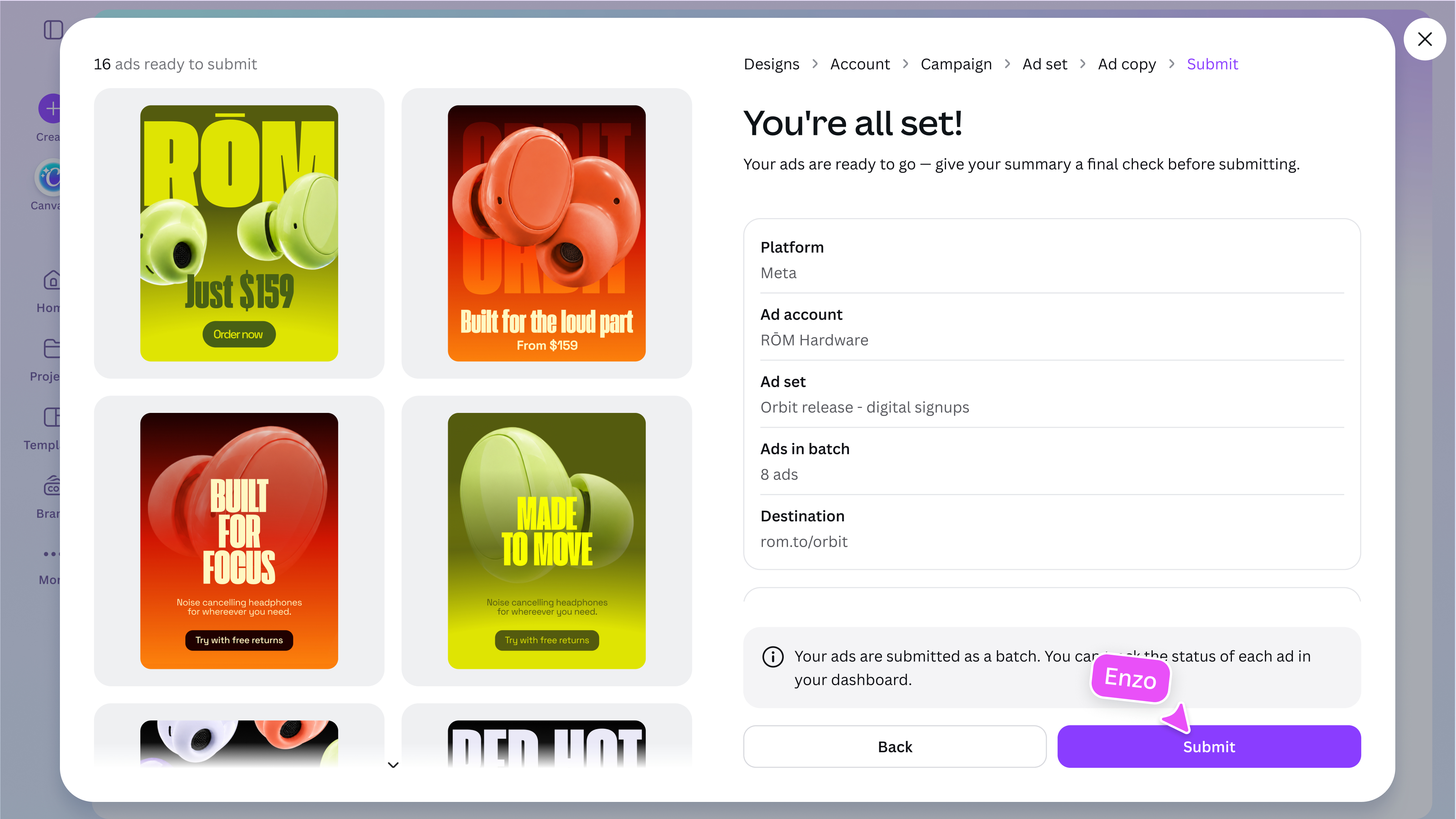
What's the story Canva announced Grow 2.0 on Thursday, bringing creation, publishing and campaign reporting together in a rollout starting in North America, Australia and the UK, with AI Ad Tagging reserved for Business and Enterprise plans.
The product announcement describes ads generated from a business's website, direct publishing to Meta, TikTok and LinkedIn, and a dashboard for campaign results. Automatic Refresh Generation proposes new creative from what is performing in a connected Meta account, though this remains Canva's account of its product and the announcement supplies no controlled comparison of business results. The performance record sits where the next ad is made.
Why it matters The handover between creative production and media reporting is a place where information can disappear. A designer receives a request for another version while the media team knows which version sold; unless those observations reconnect, more production means a larger collection of unresolved experiments. A combined workspace can shorten that handover, but describing the winning image's visible features does not explain why it won. A discount, a different audience or a change in delivery can be doing the work. The designer needs room to challenge the machine's suggestion and try a revision without rebuilding the ad from scratch. Canva says Magic Layers lets generated ads move into its editor for further refinement.
Our take Test one documented revision from a campaign result to the next creative treatment. The useful question is how long it takes to turn a response into a considered creative change. Counting generated assets is easier, and tells us less.
For a brand with a distinctive visual identity, a price-led winner in a small test can be a poor template for the next advertisement, especially if its appeal rests on an offer the wider campaign cannot sustain. A fast revision still needs to look like something that brand would make.
The brief for that revision connects the campaign result to the treatment chosen, with a reason for carrying some elements forward and leaving others behind. Kept beside the second version, it lets another colleague judge whether the designer's change answered the evidence in the campaign result.
TikTok puts a creative agent between the brief and the video
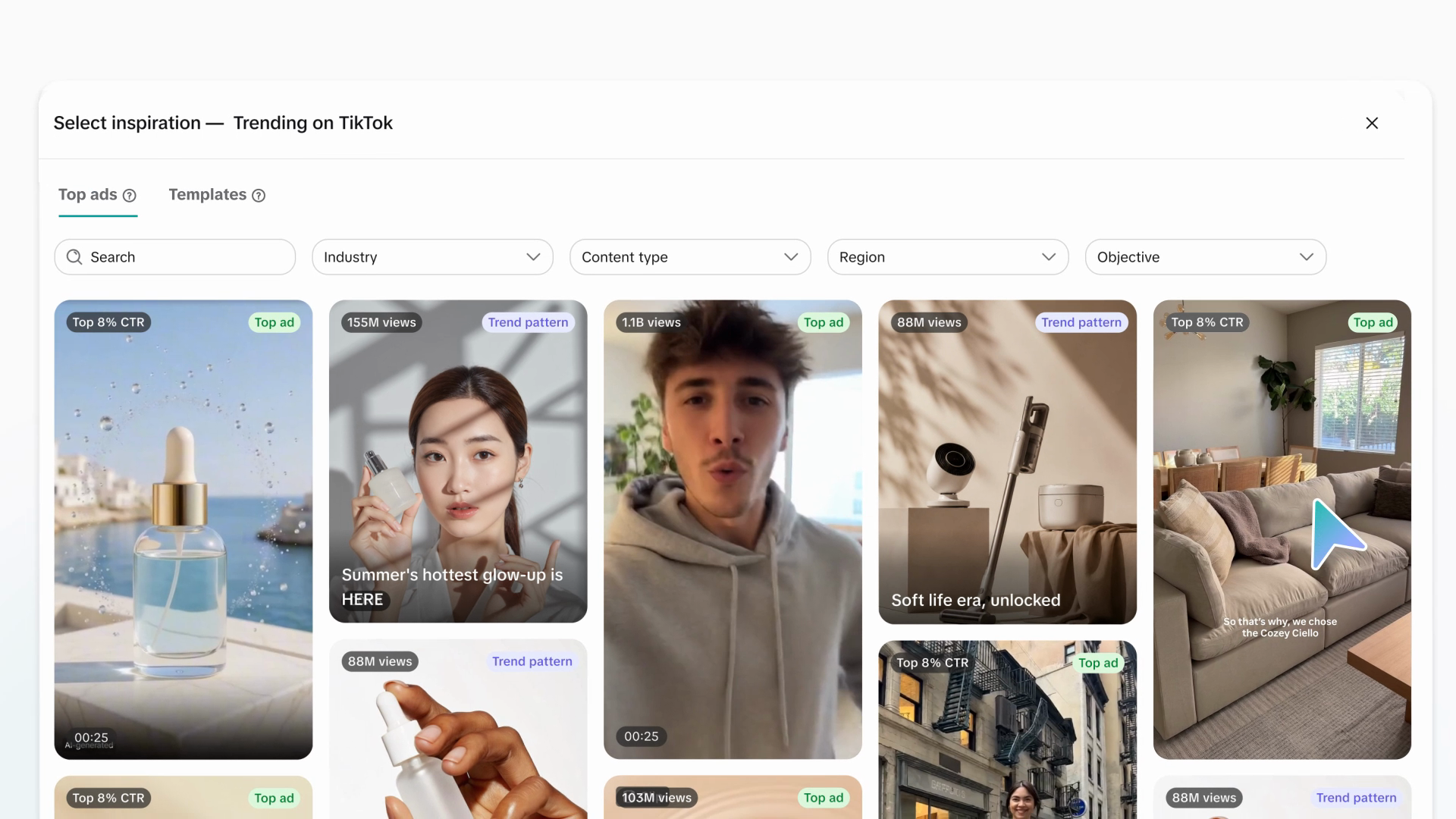
What's the story TikTok introduced Symphony Agent at Cannes on Monday, connecting an advertiser's goals with its platform's content insights. In Symphony Creative Studio, a chat interface helps develop video ads through successive prompts. In Content Suite, the agent searches creator videos against a brand's stated needs and recommends relevant material.
The announcement describes safeguards including AI labels, invisible watermarks and moderation filters. It also makes a strong performance pitch. The capabilities and the pitch need separating: a tool that can make a video or find creator content has not yet shown that the particular work it recommends will build your brand. Monday's release explains the workflow, without establishing a return that every advertiser can expect from using it.
Why it matters The change puts more of the production process inside the place that distributes the work. A marketer can move from a brief to a possible execution while drawing on the platform's view of what attracts attention. That is useful when the team understands its audience but struggles to translate the idea into a form that belongs on TikTok.
The risk is allowing the platform's signals to become the whole brief. Content can resemble successful work without giving a viewer any reason to remember this particular brand. An agent can return a plausible collection of videos; someone still has to decide which creator, joke or product demonstration expresses the brand's idea. Being recognisably at home on the platform and recognisably yourself are both part of the job.
Our take Use the agent to explore a specific creative problem. Ask for genuinely different ways to show the product benefit, then examine what changes between the options. Ten variations of the same opening do not offer the same learning as three different ideas. The time saved in making them should give the team more room to choose and improve the work.
For creator recommendations, read the surrounding content as well as the returned clip. The product needs a credible role in that creator's world, and the creator needs room to make the execution their own. A useful first trial would compare the agent's shortlist with the team's and explain each choice. Faster discovery earns its place when it finds a better fit, not merely when it produces more names.
OpenAI pitches ChatGPT's decision moment, as Criteo passes 2,000 advertising brands
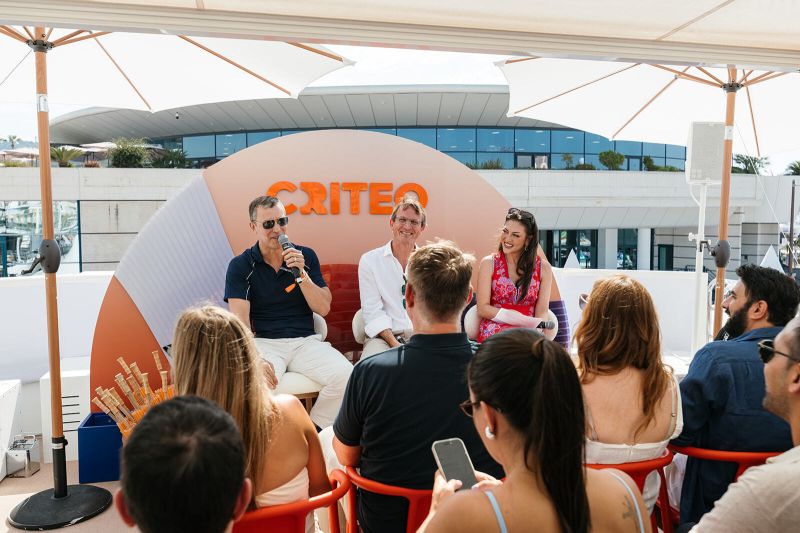
What's the story OpenAI used its Cannes debut to explain the advertising business it wants to build. Peter Adams, reporting from its briefing for Marketing Dive, heard advertising chief David Dugan describe users bringing a problem and its context to the assistant, with direct commercial intent accounting for roughly 20% of queries by OpenAI's estimate. That is not a purchase rate.
There is already demand on the advertiser side: Criteo said on Monday that more than 2,000 brands were advertising in ChatGPT through its platform, across seven markets including the UK. The pitch is about consideration, reaching someone who is weighing alternatives or explaining constraints before making a choice. Dugan also reiterated the separation of paid placements from organic answers, Adams reported, and said conversational information is not shared with advertisers.
Why it matters A consideration conversation poses a different creative problem from a product keyword. Someone choosing a family holiday has competing needs; someone typing a hotel name may already have chosen, yet both can eventually arrive at the same booking page. An identical destination tells you little about what each ad contributed.
Start with the question the customer needs answered. Product comparisons and reassurance have a role here, provided the execution earns attention without borrowing the authority of the answer beside it. A generic brand line wastes the very context that makes this proposition interesting. There is a concrete starting point for deciding which briefs to try: Criteo names apparel, home furnishings, consumer electronics, automotive and beauty as its leading ChatGPT advertising categories.
Our take A ChatGPT test needs a consideration job with a commercial outcome attached. Qualified enquiries might justify the spend for a high-value, infrequently bought product, while a replenishment purchase can reasonably be judged on completed sales. Purchase frequency and conversion volume determine how much learning the budget can buy, so a universal experimental budget is meaningless. Creative teams belong in the trial alongside media buyers: compare the questions each treatment answers with the enquiries or orders it produces, then inspect whether the people arriving have understood the offer. A low click price alone says nothing about whether the ad brought the right customers closer to choosing.
Other notable developments
- Claude Tag brings shared memory and delegated work into Slack. Anthropic’s announcement puts a shared Claude agent in Slack, where teams can give it work and let it retain relevant context. It is launching in beta for Team and Enterprise customers, intended to carry work across conversations rather than answer each message in isolation. Shared memory also makes the workspace’s information and permissions part of the setup; this release is a capability announcement, not evidence of a marketing result.
- OpenAI launches a programme to help fix open-source vulnerabilities. Patch the Planet, announced on Monday with Trail of Bits, pairs AI-assisted security research with human review and patch development. OpenAI says security engineers review findings before they reach maintainers and help develop fixes and tests. The programme explicitly addresses the burden that extra vulnerability reports place on the people maintaining shared software.
- Asda will use Amazon’s retail advertising technology. Amazon Ads and Asda announced their partnership on Tuesday. Amazon Retail Ad Service will come to Asda’s online grocery and George platforms in phases from Q4, supported by shopping signals and familiar campaign tools. Asda is the first retailer outside the US announced for the service. The partnership is agreed; the rollout and any improvement in advertiser results are still ahead.
- Alexa ads can complete a purchase inside the conversation. Amazon launched Alexa+ Agentic Ads on Tuesday, initially with partners including Papa Johns and selected concert artists. On Echo Show devices, customers can ask about an advertised offer and complete an order through Alexa+. The launch covers the named partners; Amazon says more brands and services will follow. This gives advertisers an actual transaction format to assess, beyond a conversational answer beside an ad.
New tool spotlight
Gemini 3.5 Flash gets built-in computer use
Google added built-in computer use to Gemini 3.5 Flash on Wednesday, available through its API and Gemini Enterprise Agent Platform for developers building agents that inspect and act across browser, desktop and mobile interfaces. Google also offers optional safeguards for sensitive actions and detected prompt injection.
For a marketing team with technical support, a useful first application is inspecting a campaign preview: checking visible copy, following links and returning a concise list of problems with evidence. Keep the initial task on a preview with nothing to purchase or publish. That produces a result the campaign owner can compare with the page, and puts the capability to work on the tedious part of quality control.
One thing to read
Kimeko McCoy on where the AI-search money is actually going
Kimeko McCoy's Digiday reporting follows the money behind the Cannes ad pitches: her interviews describe investment in content, creators and services intended to improve how brands appear in AI answers, alongside tentative paid experiments. The interviews include Butterball and Priceline; neither disclosed a detailed budget split.
Read it for the buying decisions. It is easy to put an exciting forecast in a planning deck, considerably harder to identify which existing activity deserves less money because of it. This is interview reporting, not a market survey. Read the examples against your own budget: content still needs a customer job attached, with machine visibility an additional reason to make it accurate, specific and worth finding.
One final thought
There is plenty here to bring back from Cannes, even without a lanyard. If a shared assistant or a better creative workflow has made a material difference in your team, I'd love to hear what changed.
Andy Parton writes about how AI changes the work of building brands, the quality of ideas and the evidence behind marketing decisions. More from Andy.