This week
Kantar and WFA reported a striking contrast this week: 32% of consumers use AI assistants to research brands or products, while only 8% of the major brands surveyed have a clear AI-search strategy. Muse and Dots pushed personal AI assistants further into everyday life. And OpenAI used DevDay to announce more than 20 products and updates.
It's also been a big week here at Destreza, with the launch of The Playbook for AI Brand Building. More on that in the “one thing to read” slot below, with absolutely no attempt at impartiality.
All this and more in your weekly cut of Marketing x AI news.
Key stories
32% of consumers research products with AI; only 8% of surveyed major brands have an AI-search strategy
What’s the story?
32% of consumers use AI assistants to research brands or products, according to Kantar. Yet only 8% of the major brands surveyed by WFA have a clear AI-search strategy.
The consumer findings come from Kantar's Media Reactions study, covering roughly 23,000 consumers and 800 marketers across 33 markets. WFA received 54 responses from 46 brand owners. These are separate studies of consumer behaviour and business preparation. Kantar also finds that only 23% of consumers say they trust AI recommendations.
Why it matters
For a brand without a plan for AI search, customers can be evaluating its products somewhere the marketing team has barely considered. The business needs to understand whether it appears in those answers, how its offer is described and why other brands are recommended.
An AI-search strategy gives the business a way to examine those recommendations and improve the product information assistants rely on. This is a buying behaviour that already exists. We expect the personal assistants in the next story to make preparing for it more pressing.
For marketers, this is something worth championing inside the business now. Establish whether there is a plan for customers who discover and evaluate products through AI, who owns it, and how it is being tested.
Our take
I think this is an enormous opportunity for consumer businesses prepared to act. Many competitors are still working out how to use AI internally. Getting your brand understood and considered by customers' AI assistants deserves attention of its own.
That includes the trust question we discussed last week. Being recommended is useful; customers also need confidence in the information and the business behind the recommendation. Kantar's findings make that distinction particularly relevant.
AI search and preparing brands for agentic commerce are areas of specialty at Destreza. If your business wants to understand what this means and where to start, get in touch through our contact form. We'd be happy to help.
Muse and Dots could accelerate that shift
What’s the story?
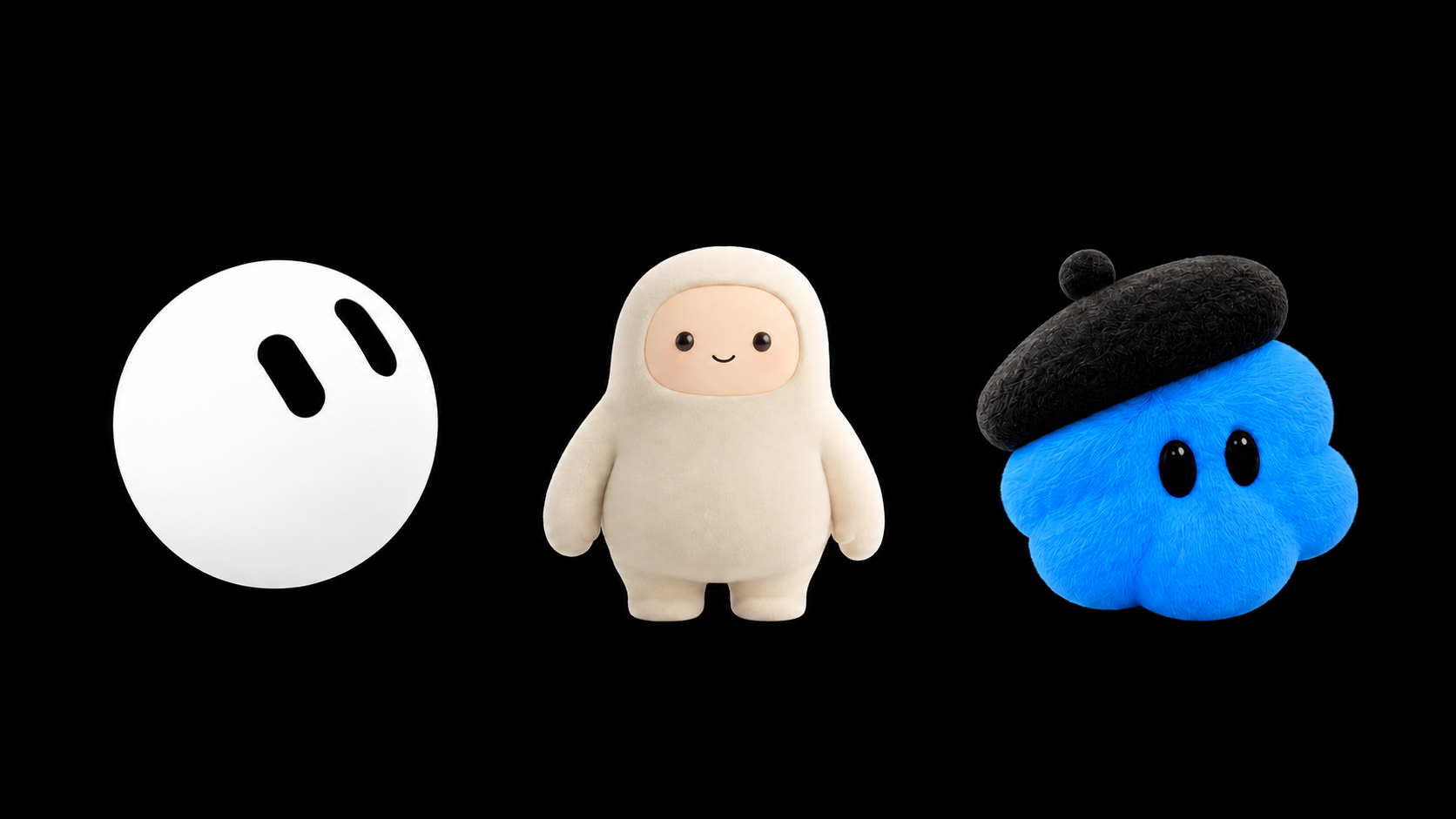
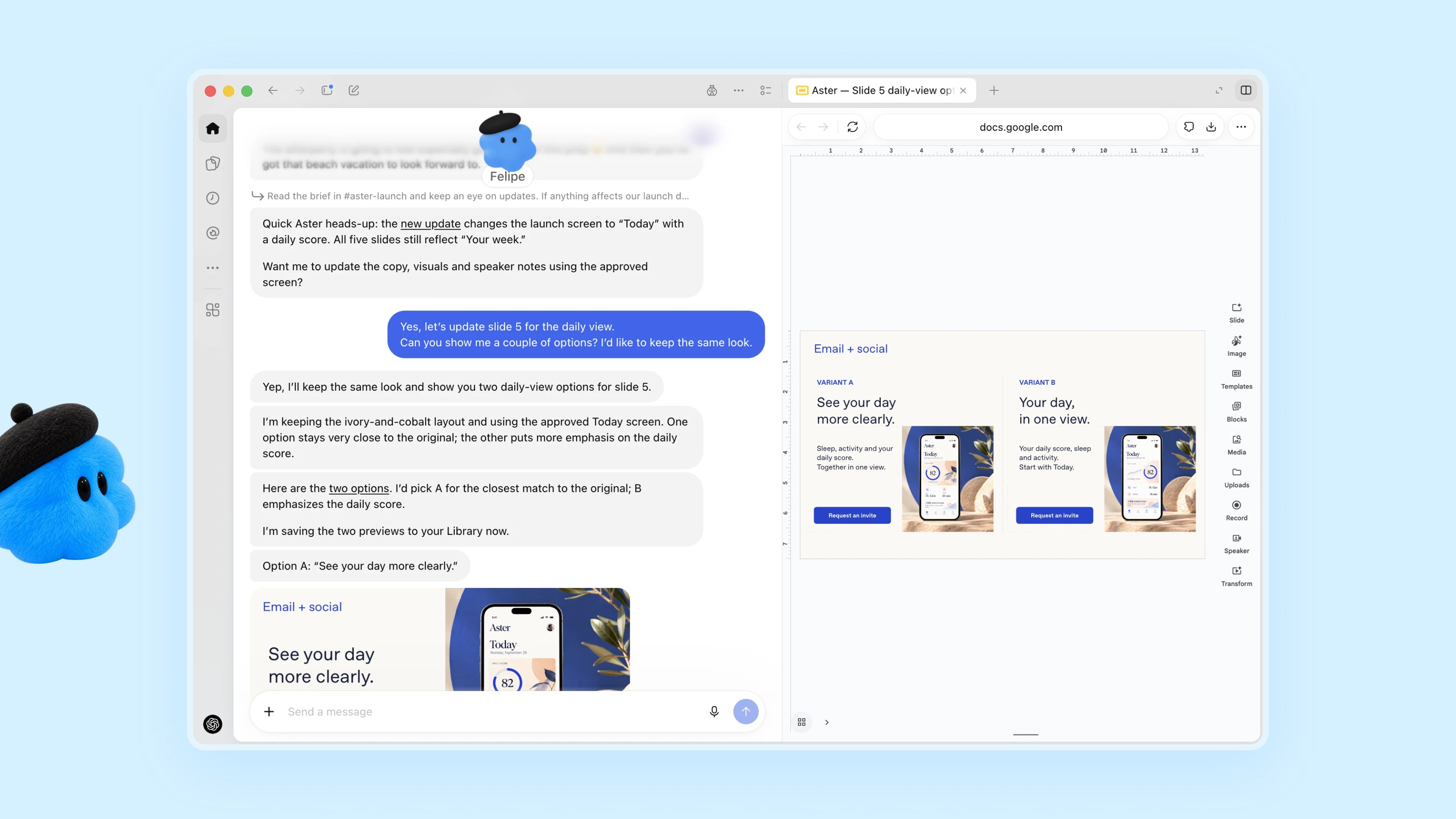
If you read last week's Weekly Cut, you'll know Meta recently launched Muse, its attempt to make AI more personal. OpenAI followed suit this week with the introduction of Dots on 29 September. OpenAI describes them as “remarkably capable, always-on agents built to handle everything”.
Most consumers are familiar with the question-and-answer experience: you ask ChatGPT something, it responds, and you send the next question. Dots can keep working between those conversations. You give an agent a goal and access to the relevant apps; it can investigate what needs doing and return with progress or questions when it needs your judgement. It can also notice relevant information and suggest help without waiting for a fresh prompt.
For example, an ongoing task could be to help organise your week. Instead of opening the chat to ask about your diary each morning, you could have it check the calendar and bring you an update. The important change is that the AI can initiate the next exchange within the responsibilities and access you have given it. That's agentic AI at its most basic: software taking steps towards a goal between your instructions.
Each dot has its own cloud computer and can use connected apps. Proactive research is read-only; actions you assign have separate controls. Meta also expanded Muse to small businesses this week, adding connections to 15 business tools. Publishing, sending and spending still require approval.
These consumer launches still haven't reached the UK: Muse isn't available here, and Dots excludes UK consumer Pro accounts. Dots does have a separate Business Premium route across supported regions. I'm still waiting for an announcement on UK consumer access. We haven't tried either personally.
Why it matters
We've talked before about agentic shopping. A personal assistant adds a continuing relationship with someone who knows your preferences. Our view is that agents will become more influential as the customer gets closer to buying, helping decide which products make the shortlist and where the purchase happens.
That could substantially change physical availability: how easy a product is to find and buy. If an assistant handles more of the selection and checkout, some of today's routes to purchase and advertising opportunities may become less useful. Brands will need to review how they divide spending between making the brand come readily to mind — mental availability — and making it easy to buy.
A customer's existing preference for a brand can still matter when they give an assistant a shopping brief. Building that preference before the buying moment could become more valuable as agents take on more of the work near purchase.
Our take
We think agentic commerce will demand better brand building. Consumer businesses that have concentrated heavily on performance-led growth marketing will need to revisit that balance. The objective is to build a brand people remember and want enough to ask for, even when an assistant helps make the purchase.
Alongside that, the practical work on AI search matters. Product information needs to be accurate, reliable and formatted so agents can read it. Websites need to make the offer understandable and support the relevant discovery and buying tasks. Generative engine optimisation, or GEO, is part of that preparation.
We expect the growth of personal AI assistants to accelerate agentic commerce further. That makes the gap highlighted above between consumer behaviour and brands' preparedness for this change even more pressing.
DevDay was about far more than announcing Dots
What’s the story?
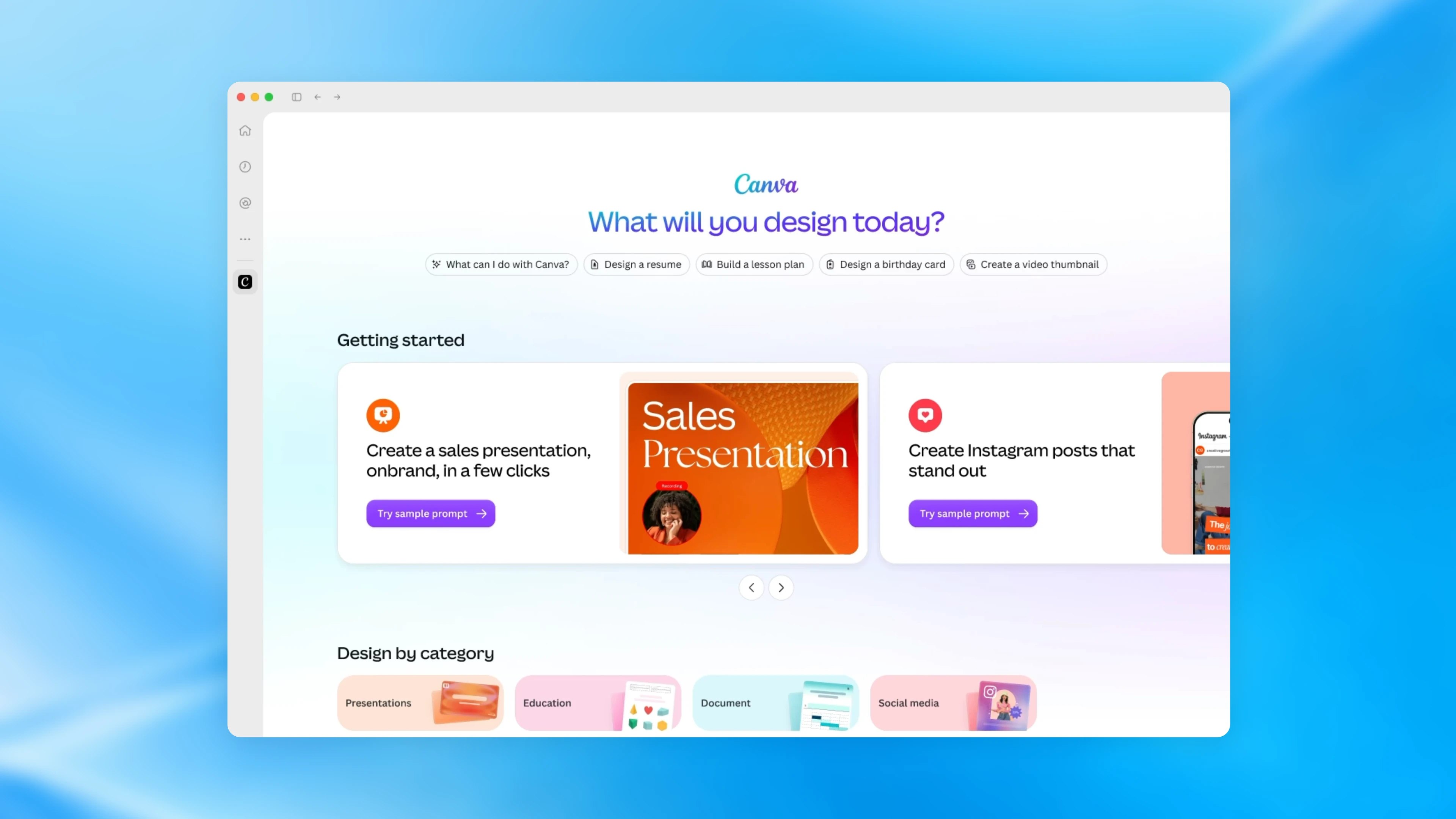
OpenAI's 29 September DevDay recap lists more than 20 announcements. Here's a high-level summary of the other products and updates, including several we're particularly interested in:
- Models and privacy: GPT-6.1 Sol, Ultrafast and Private Intelligence. The private inference preview is due this autumn.
- Building software: cloud Codex, a refreshed CLI, Code Review and Codex Security Cloud.
- Agents: Decisions API, initially in limited preview; Agents API with computer use; and OpenAI-powered Bedrock Managed Agents on AWS.
- Plugins: extensions, improved creation and discovery, hosting through Sites, and events that can trigger automations.
- Working together: ChatGPT Space and Pages, plus teams, shared tasks, Slack and Teams access, and shareable profiles.
- Collaborative slides: shared slide creation and editing, due in the coming weeks.
- Meetings: a plugin launching in beta on Mac, with Enterprise access to follow.
- Access and buying: Sign in with ChatGPT, the Pro 500 tier and an enterprise Marketplace.
Why it matters
This looks like a continuing push by OpenAI to own more of the consumer ecosystem. It's adding places to work together, create documents and use other companies' services around the core AI conversation. Several of these products enter highly competitive markets where people already have established tools and habits.
We're looking forward to trying more of these tools as they become available and seeing how they develop. For marketers, the question is whether customers and colleagues start doing more of their everyday work inside ChatGPT, and what a useful brand presence there looks like.
Our take
We're big fans of building brand brains: central resources that give AI workers the current brand strategy, audience knowledge and practical instructions they need. The quality of that shared knowledge has a direct bearing on the work an agent can do.
Space and Pages could give those brand brains a shared home. We want to get hands-on and see how agents use and contribute to the material.
Plugin extensions also offer consumer businesses a way to build useful experiences around a customer's task. Decisions API interests me for more bounded work, such as routing an enquiry among predefined choices.
Other notable developments
Amazon brings more AI into advertising workflows
Amazon's 29 September unBoxed announcements covered conversational brand discovery and more integrated advertising workflows. The conversational AI experience in Amazon Ads Agent is in an expanded closed beta. Access and buying controls differ across the products, so the individual details matter when planning a test.
Agencies compare ChatGPT ads measurement
Digiday's 1 October ChatGPT ads reporting includes agencies describing measurement concerns, alongside others that haven't seen the same discrepancies. We're also seeing some fascinating and unusual results from our early work with ChatGPT ads on The Playbook for AI Brand Building, with paid media going live for it a couple of days ago. That's an early, personal observation; we'll share more when we have something useful to report.
OpenAI revisits grocery shopping with Safeway
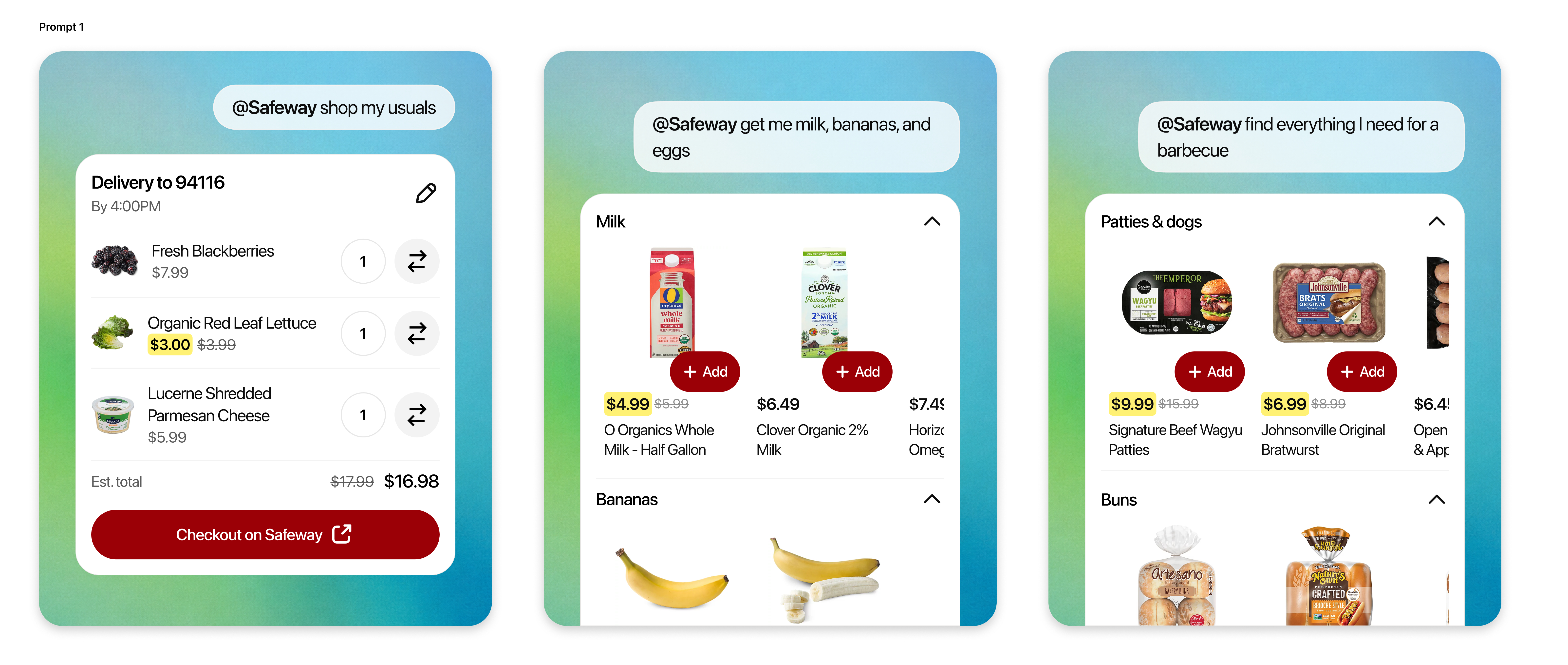
In an account published on 1 October, OpenAI described Safeway's ChatGPT experience: customers can plan meals and build a grocery basket, then go to Safeway to check out. The plugin launched in August. This week's account gives a concrete retail example, without telling us how many people use it.
Anthropic introduces Claude Sonnet 5.5
Anthropic introduced Claude Sonnet 5.5 on 28 September. Its claims about lower task costs deserve testing against the work you actually do. A reduction in the cost of completing a task is different from a cut in the price per token.
One thing to read
The Playbook for AI Brand Building, by us.
We launched it earlier this week. It guides you through 10 stages of building a brand, with prompts and examples tailored to your venture, covering the research through to launch and ongoing performance reviews. If this week's stories have made you think about how your own brand is preparing, this is where I'd shamelessly direct your reading time.
Weekly hot take
First Grok Bot, then Muse, now Dots. My prediction: Anthropic will release a similar personal AI assistant within the next 7 days.
Will Anthropic release a similar personal AI assistant within the next 7 days?
Loading the poll…
Percentages shown; response totals stay private. One saved choice per browser, which you can change. An informal reader poll.
One final thought
The pace of change in AI × marketing is absolutely insane. It's never been more important for marketers to keep up and try to stay ahead of the curve. If you have friends or colleagues who could use a regular update like this, please share The Weekly Cut with them.
Have a good weekend.
Andy Parton
Founder, Destreza