What AI saves, what it costs and what a marketing team gets in return.
Newest first. Monthly analysis is ordered by its editorial “as of” date.
14 pieces
No matching pieces. Try a broader search or clear the filters.
Sonos 27 launch photography, released on 1 September. Its connection to external AI assistants enters Early Access on 8 September; this scene is launch imagery, not evidence of customer satisfaction. Source: Sonos.
September brings new AI controls and fresh evidence of customers’ reluctance to retry a failed chatbot. A launch needs to prove what happens after the conversation.
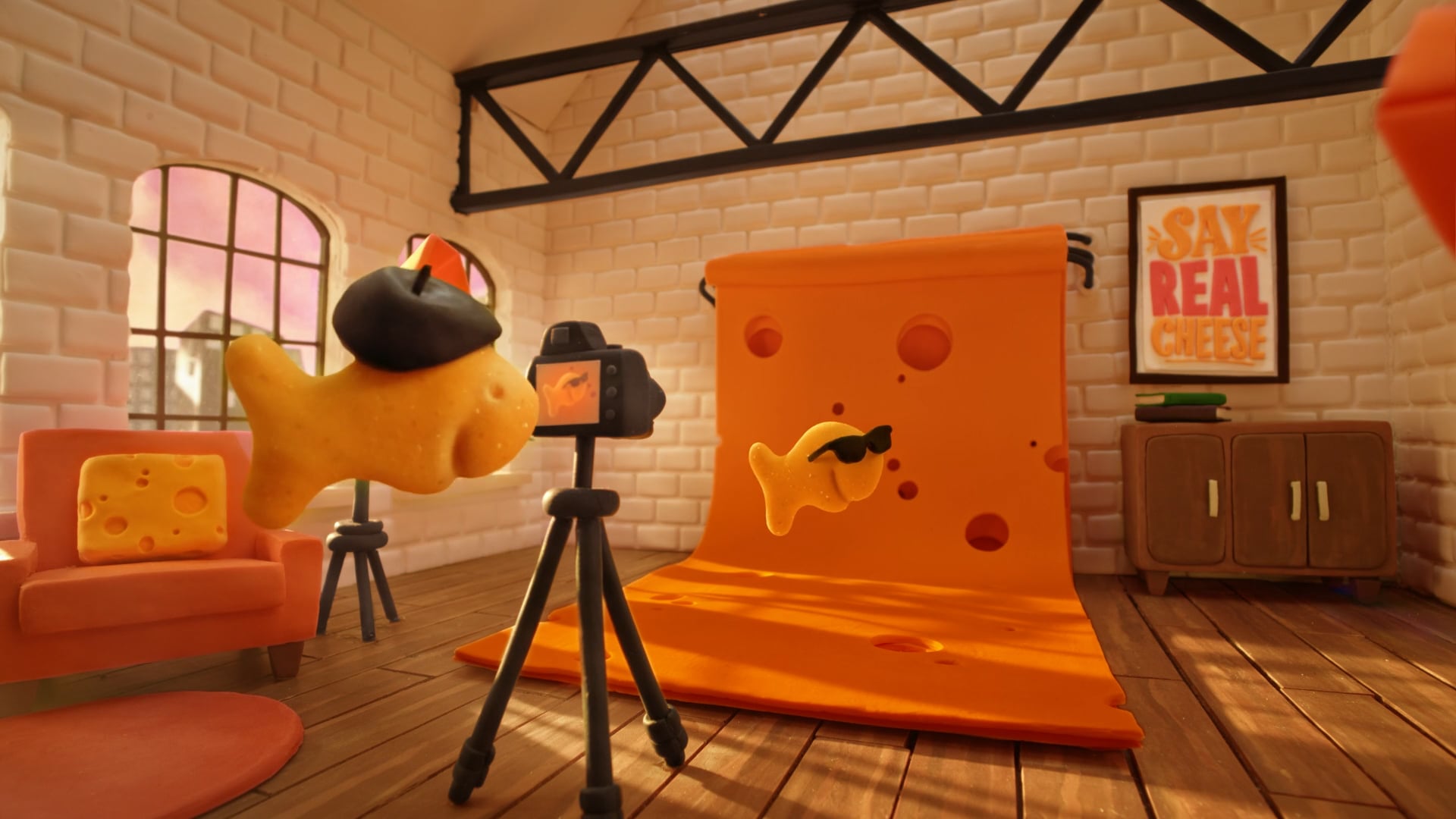
Inside The Weekly Cut 017: Goldfish’s “Photoshoot”, from the campaign discussed in System1’s 27 August review. This is campaign context; the review’s 5.1-Star score relates to the execution it tests, rather than proof about this particular frame. Source: Goldfish / Mischief / Blinkink; still supplied by Marcus Lim SO.
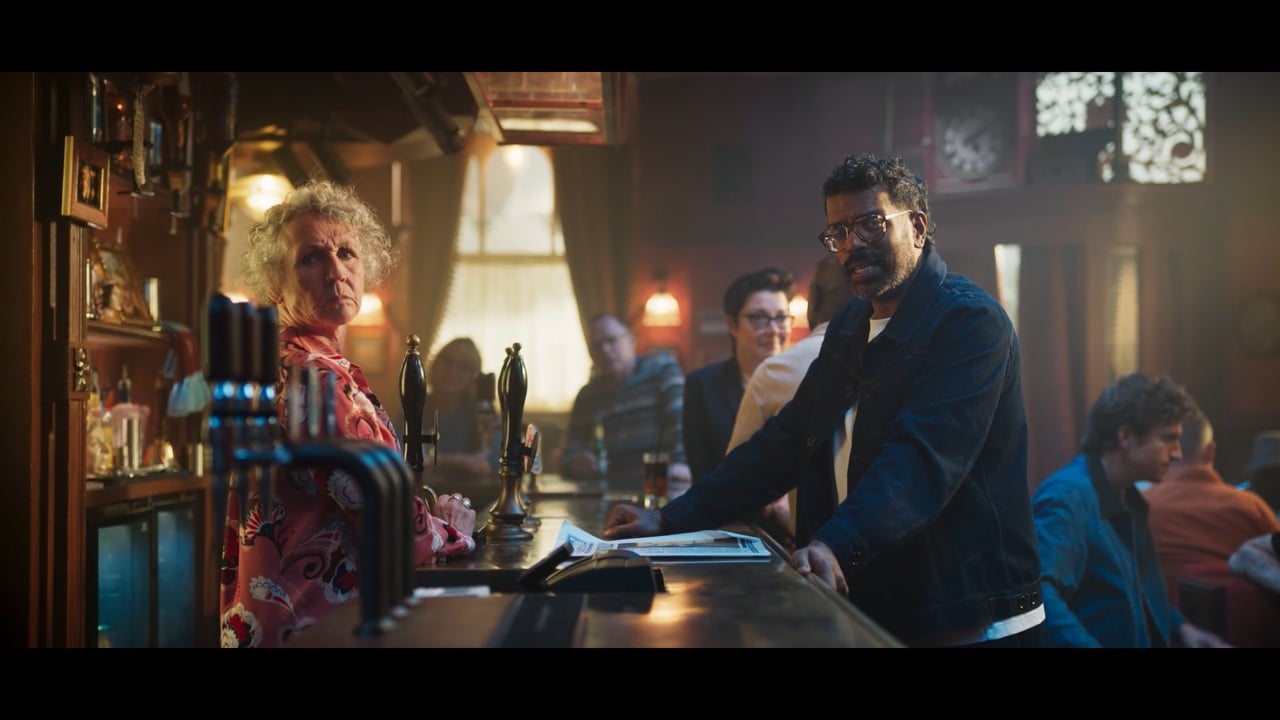
Inside The Weekly Cut 016: A scene from the BBC’s July campaign “This Is Our BBC”, the subject of System1’s 20 August review. The image belongs to that campaign, rather than a new August launch. Source: BBC / Blink.
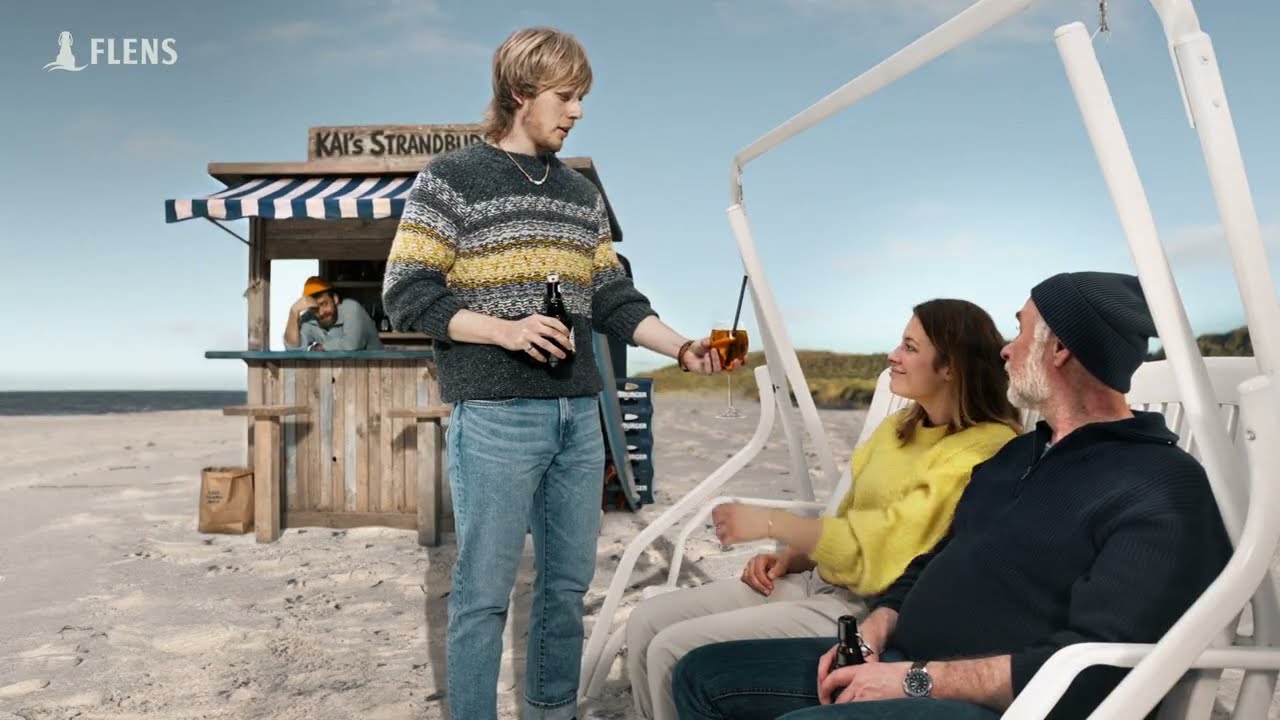
Inside The Weekly Cut 015: FLENS’s “Neulich mit Spritz”, one of the films launched with its 1 May brand refresh. System1 revisits this execution in its 13 August review; it is not a new August launch. Source: Flensburger Brauerei.
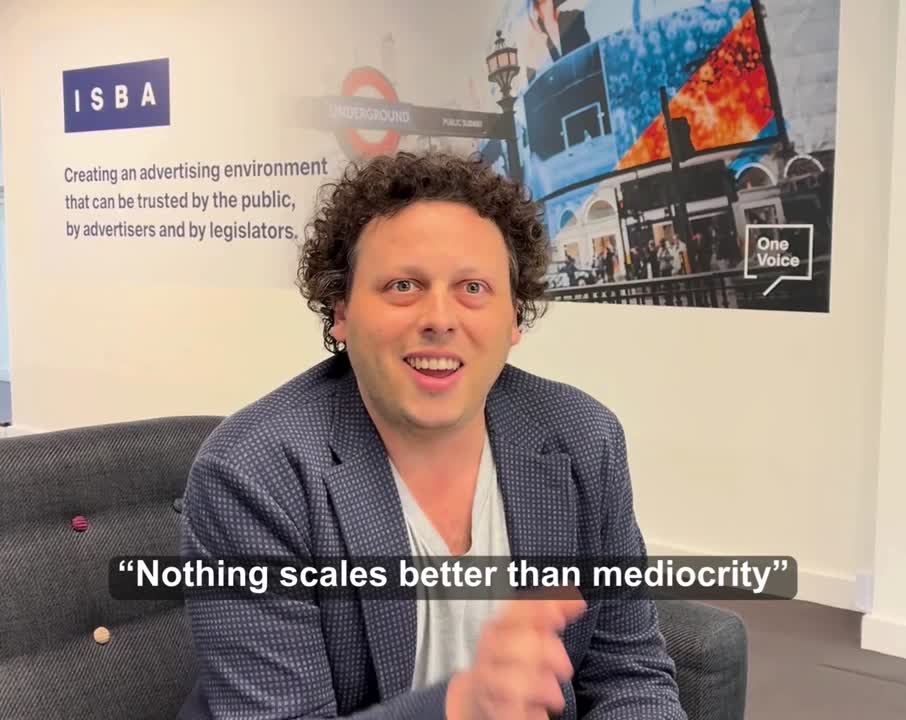
Nick Louisson discusses ISBA’s 2026 Gen AI survey in its 9 July preview. The results, released on 22 July, distinguish widespread use from reported business impact. Source: ISBA.
July’s ISBA findings expose a gap between using AI and getting a business result. The next decision is what to do with capacity you can prove you have released.
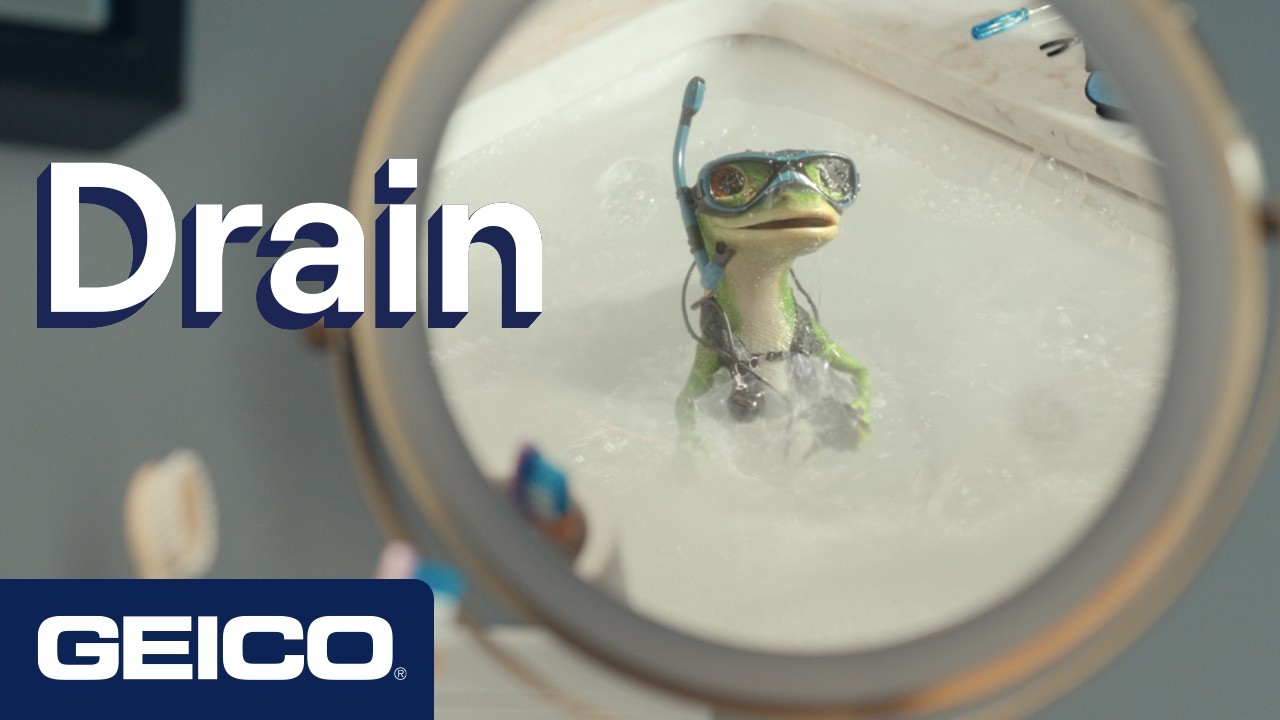
Inside The Weekly Cut 013: GEICO’s “Drain” campaign, released in April, is the subject of System1’s 30 July review. The official thumbnail shows the Gecko adapting a familiar character to another insurance message. Source: GEICO.
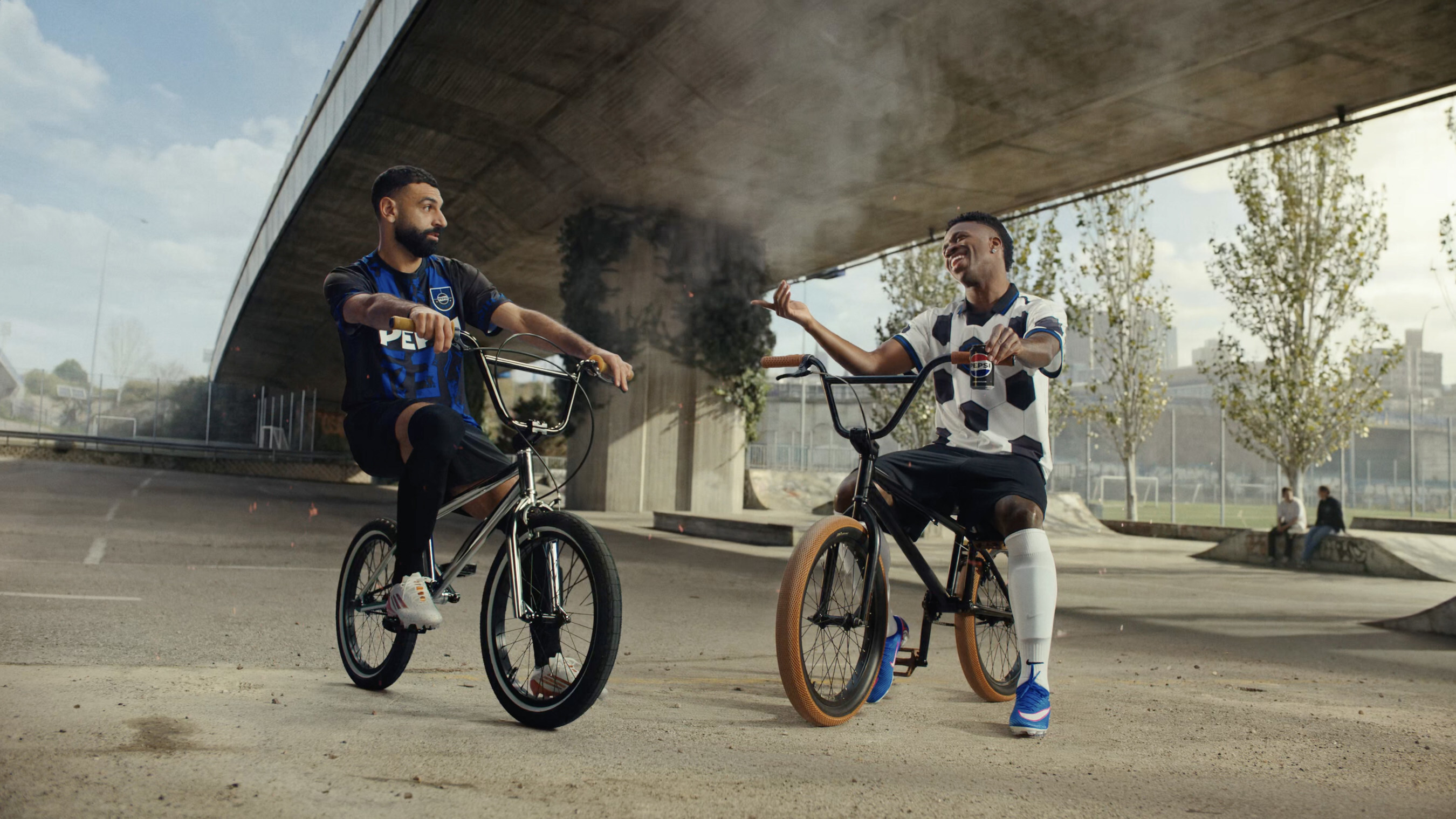
Inside The Weekly Cut 012: Mohamed Salah and Vini Jr. in Pepsi’s April 2026 Football Nation campaign. Pepsi features in this week’s YouGov brand study; the research does not establish that this campaign caused the movement. Source: Pepsi.
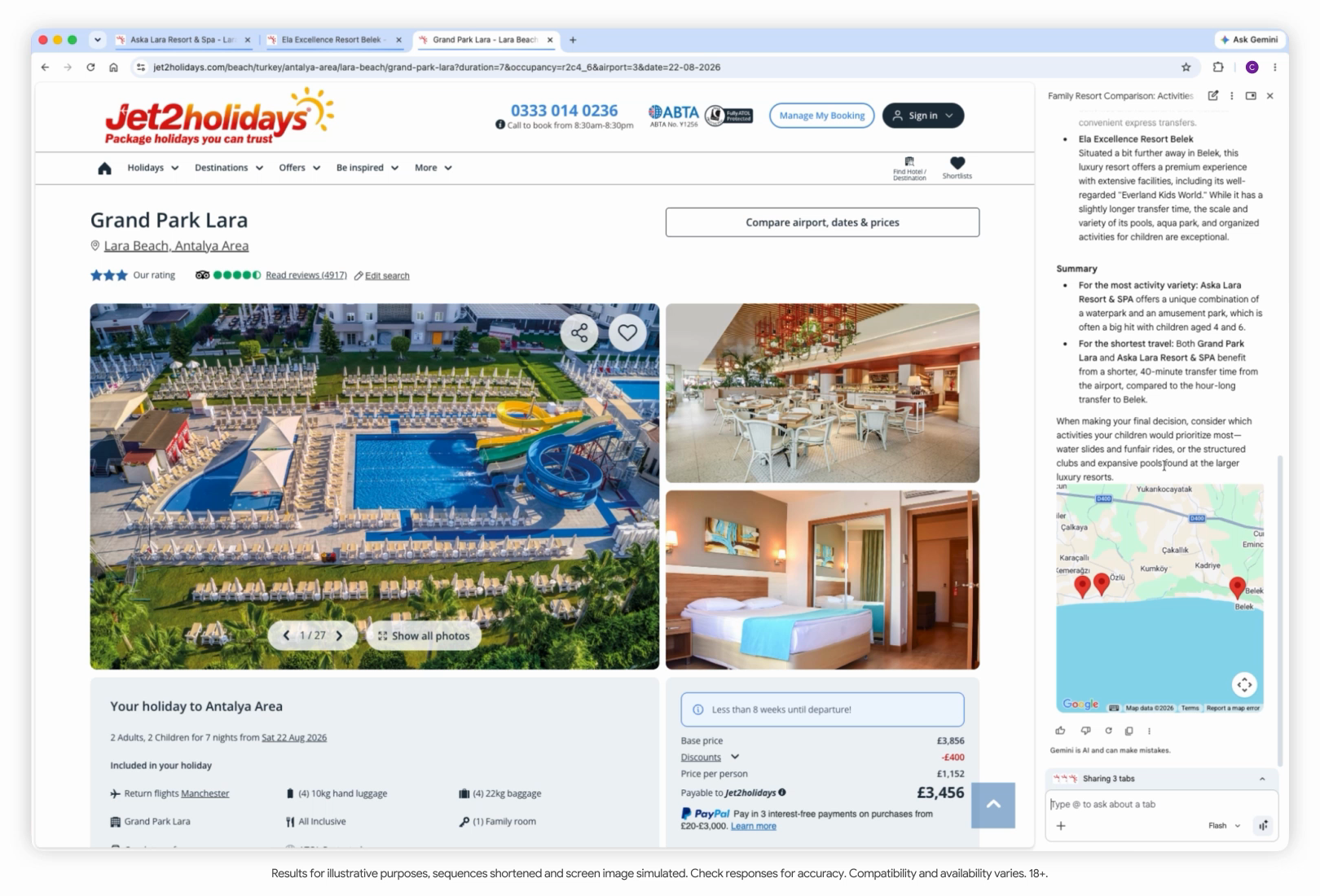
Inside The Weekly Cut 011: Google’s July 14 UK demonstration shows Gemini comparing holiday options across Chrome tabs, alongside the retailer’s desktop website. The assistant moves closer to the buying task. Source: Google / Jet2holidays.
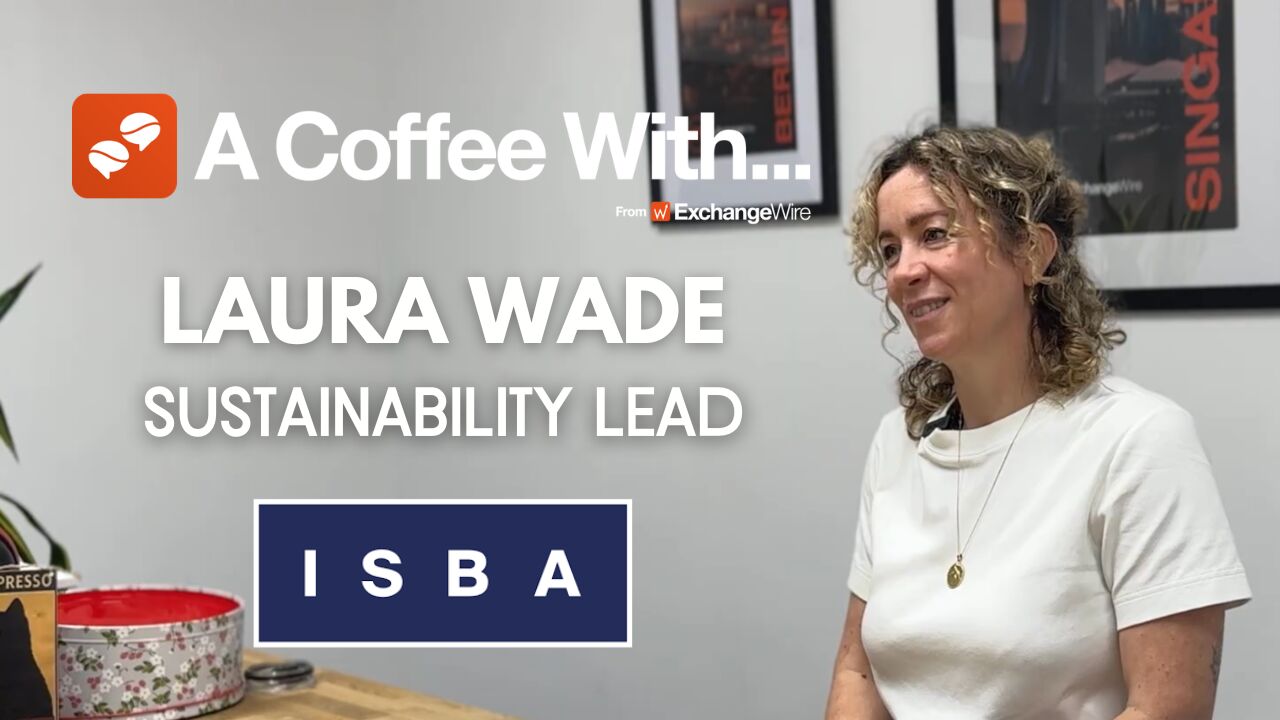
Inside The Weekly Cut 010: Laura Wade of ISBA in ExchangeWire’s 8 July interview on sustainability and the risk of making an ineffective system faster. Source: ExchangeWire.
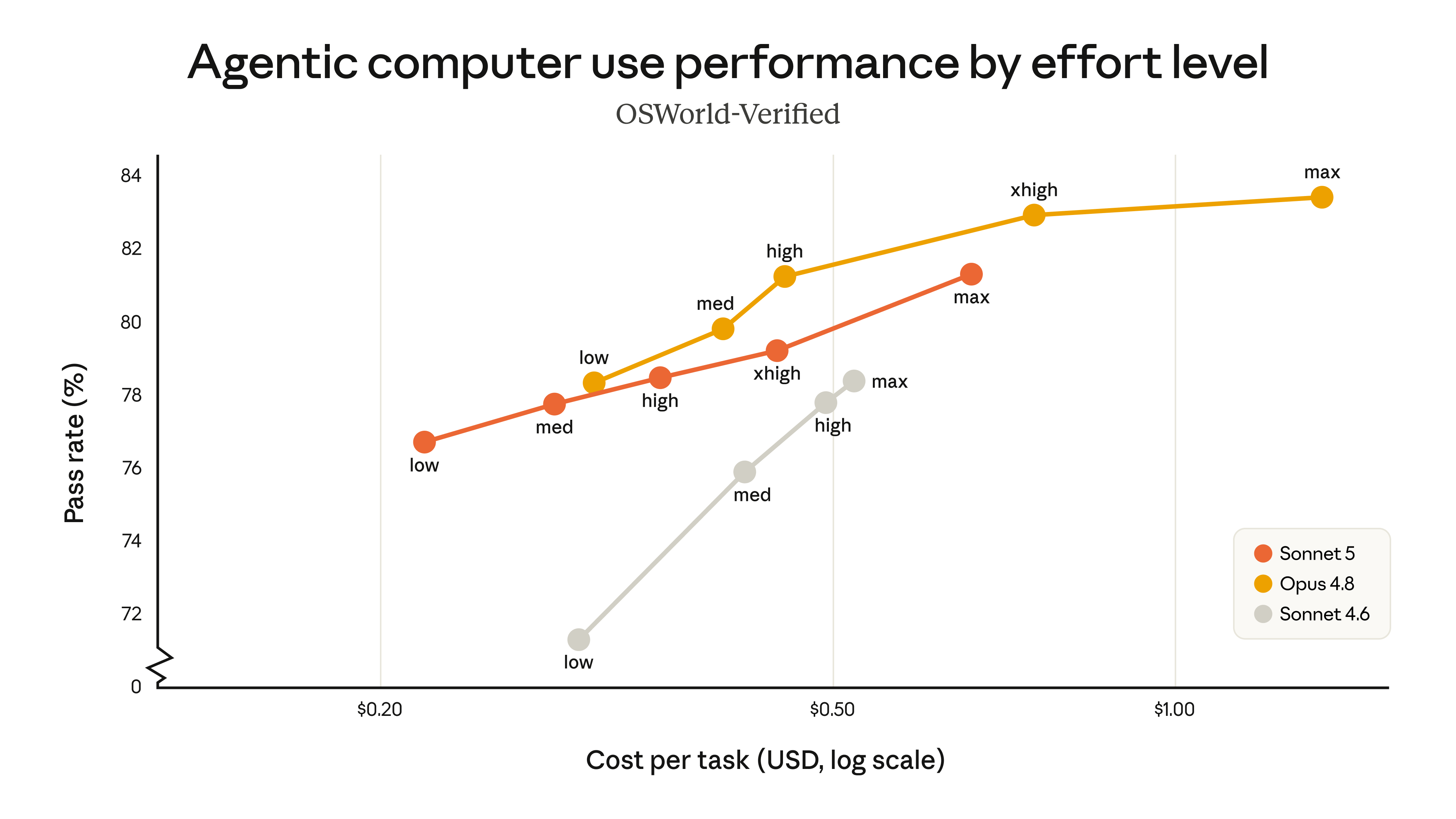
Anthropic’s Sonnet 5 launch chart compares computer-use benchmark performance and cost across effort levels. Its cost axis uses the scheduled standard token rates, rather than the introductory rates available through 31 August; it is a vendor benchmark, not a marketing-workflow result. Source: Anthropic.
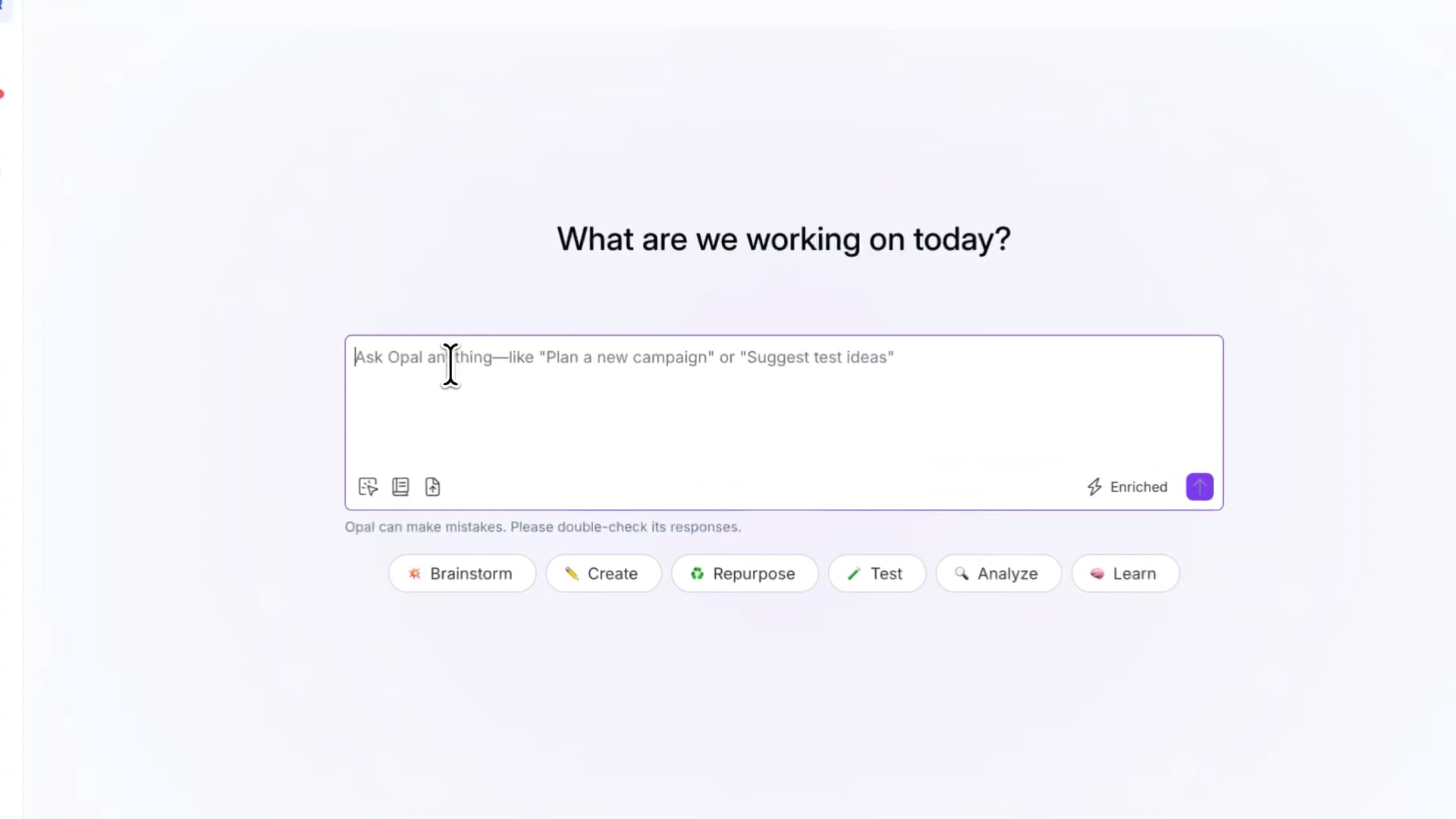
The opening screen of Conductor’s 10 June demonstration of its AI Brand Visibility Report Agent in Optimizely Opal. A supplier demonstration is the starting point; a paid trial should follow the work through to a usable result. Source: Conductor / Optimizely.
A paid trial on a real brief can reveal the work, costs and responsibilities behind a persuasive AI pitch. June’s spending evidence makes that scrutiny timely.
Inside The Weekly Cut 006: Also in this edition: Whalar’s Emma Harman, Accenture Song’s Ndidi Oteh and Whalar’s Jo Cronk, left to right, in the photograph supplied with the 8 June acquisition announcement. Source: Accenture.
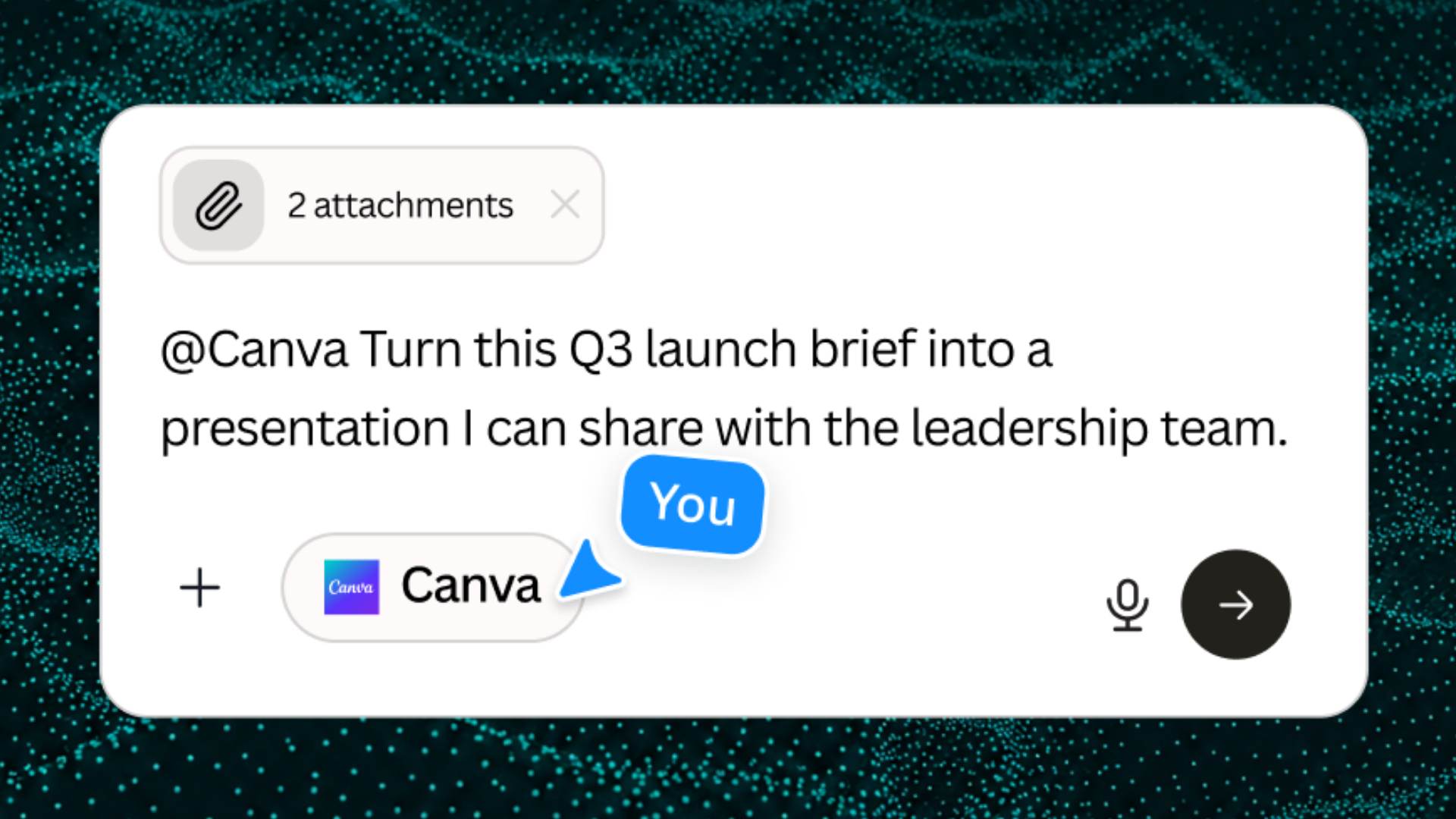
Inside The Weekly Cut 005: Also in this edition: Canva’s new Perplexity Computer connector turns a working brief into an editable design. The announcement’s demonstration starts with a request to make a presentation from a launch brief. Source: Canva.
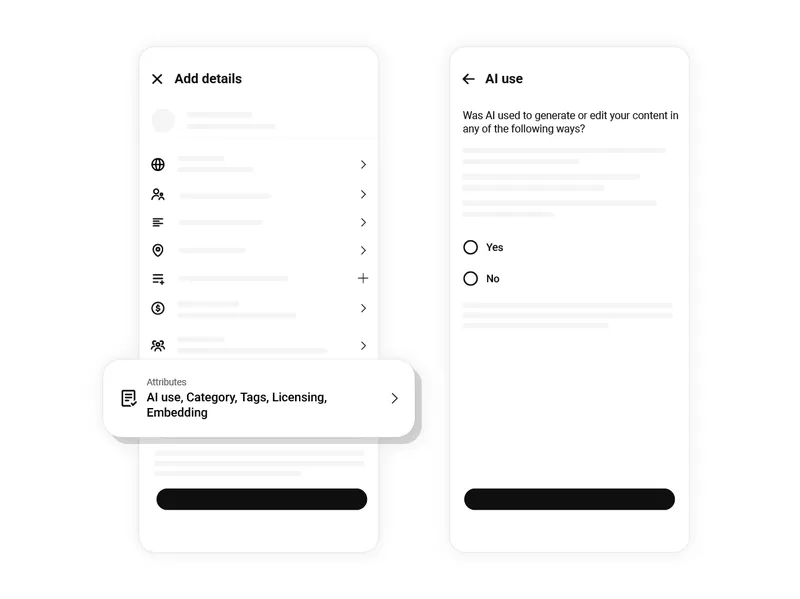
YouTube’s 27 May announcement shows the creator’s AI-use controls during upload. The same update changes the labels viewers see and begins a phased rollout of automatic detection. Source: YouTube / Google.